A Contemporary
Co-operative Gallery
in Boston's SoWa
Art & Design District

New England Collective

New England Collective

New England Collective

GALLERY HOURS: Mar-Oct, Thu-Sun, 12-5pm; Nov-Feb, Thu-Sun, 12-4pm, and by appointment

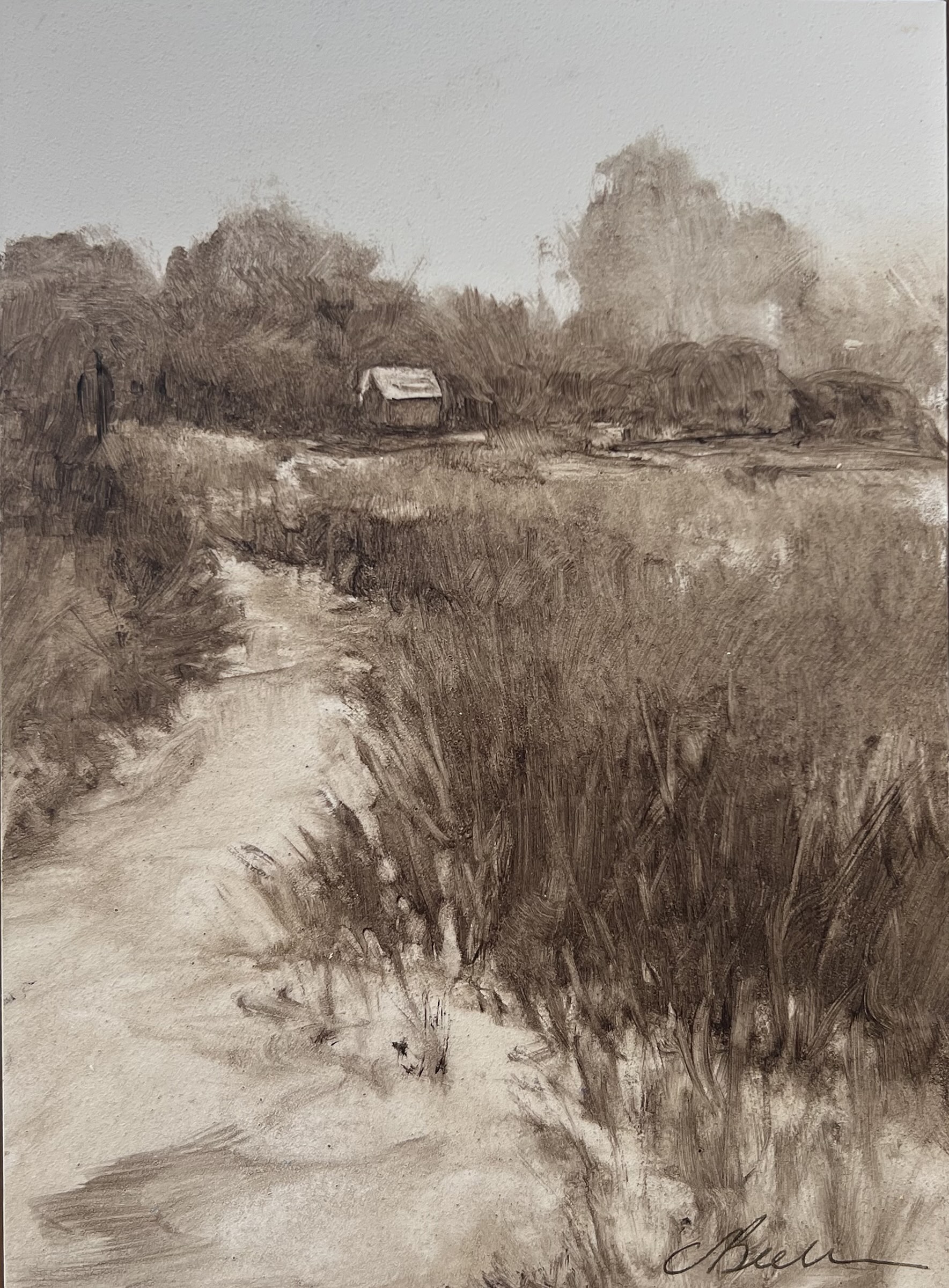
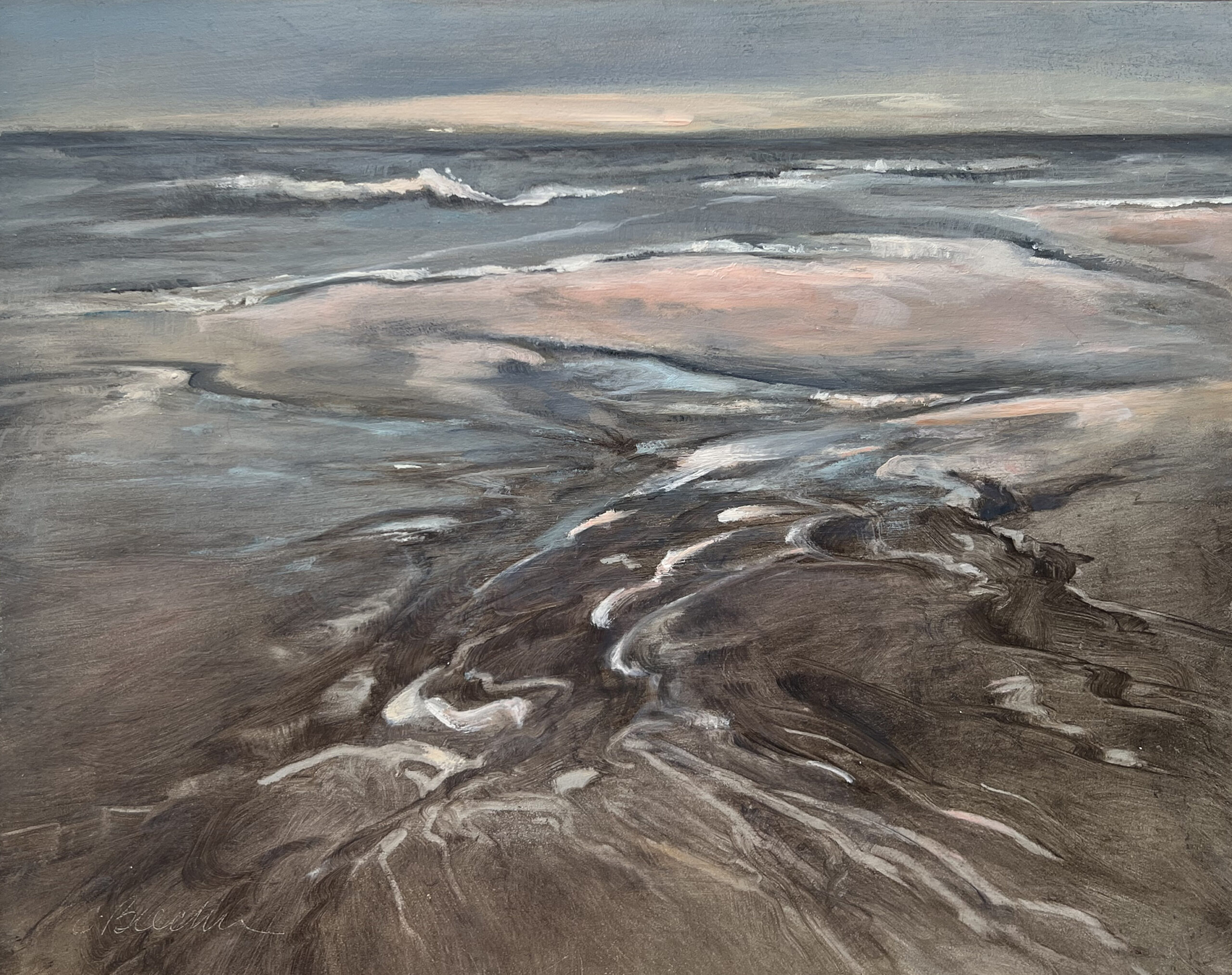
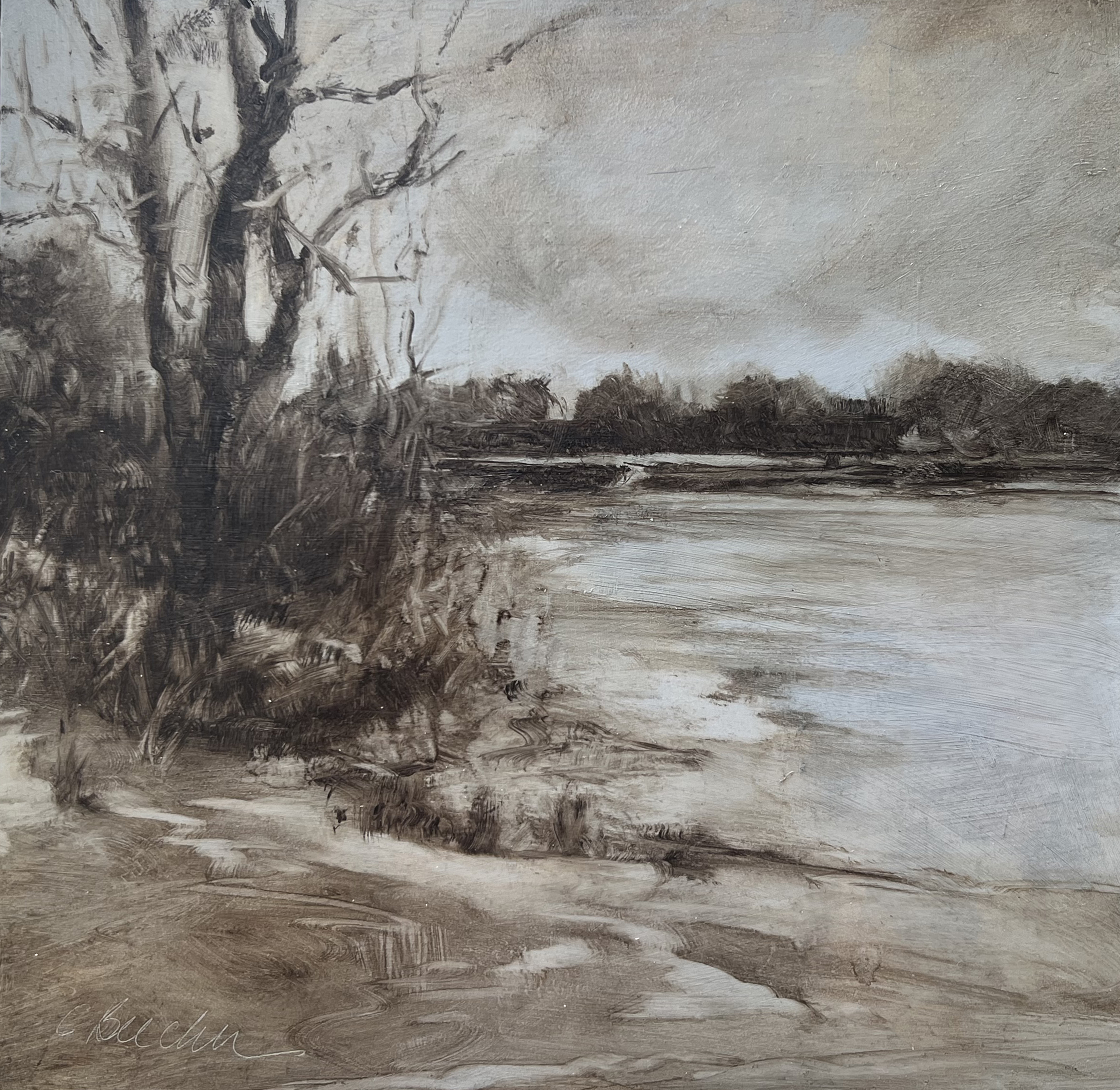
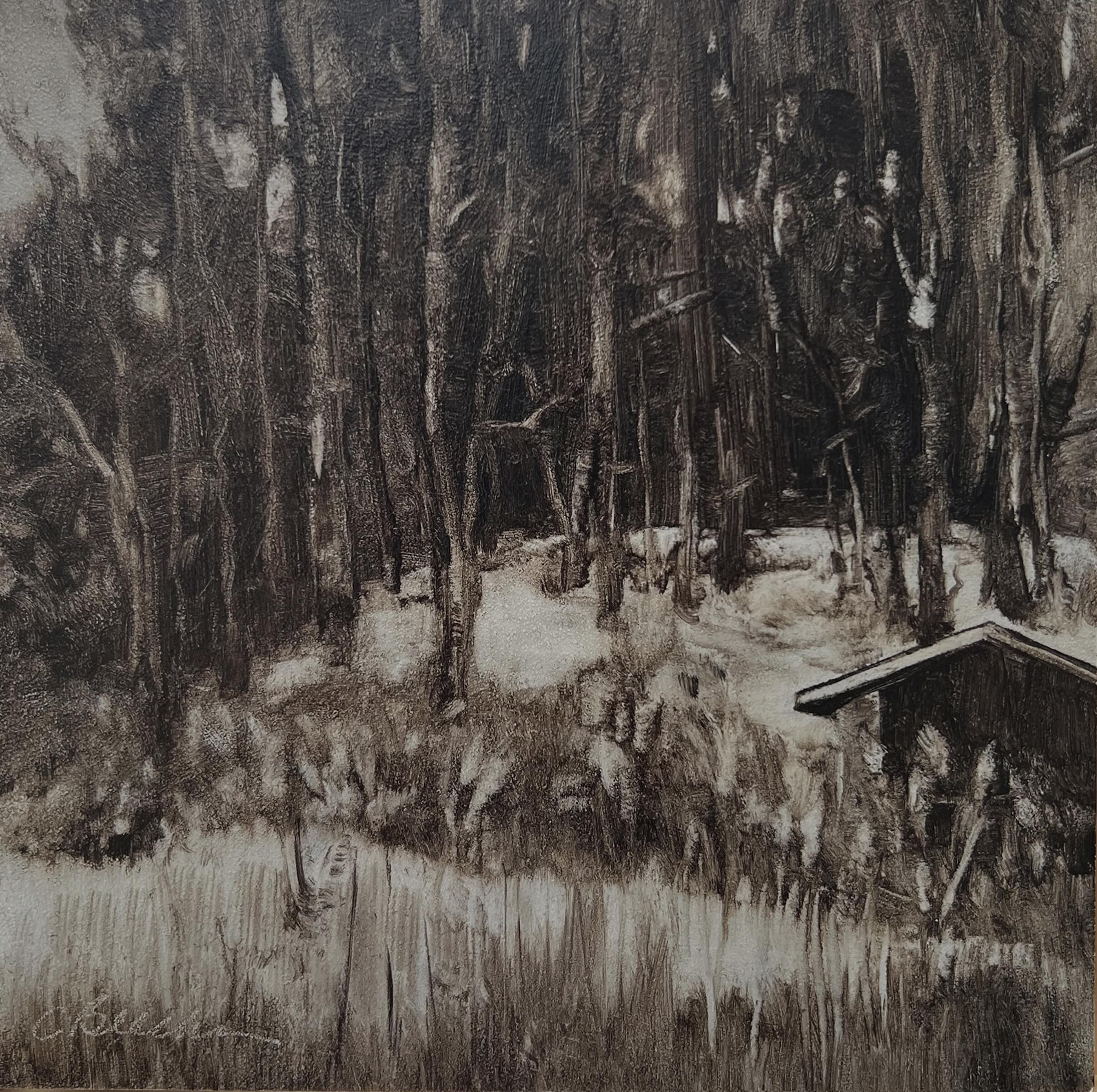
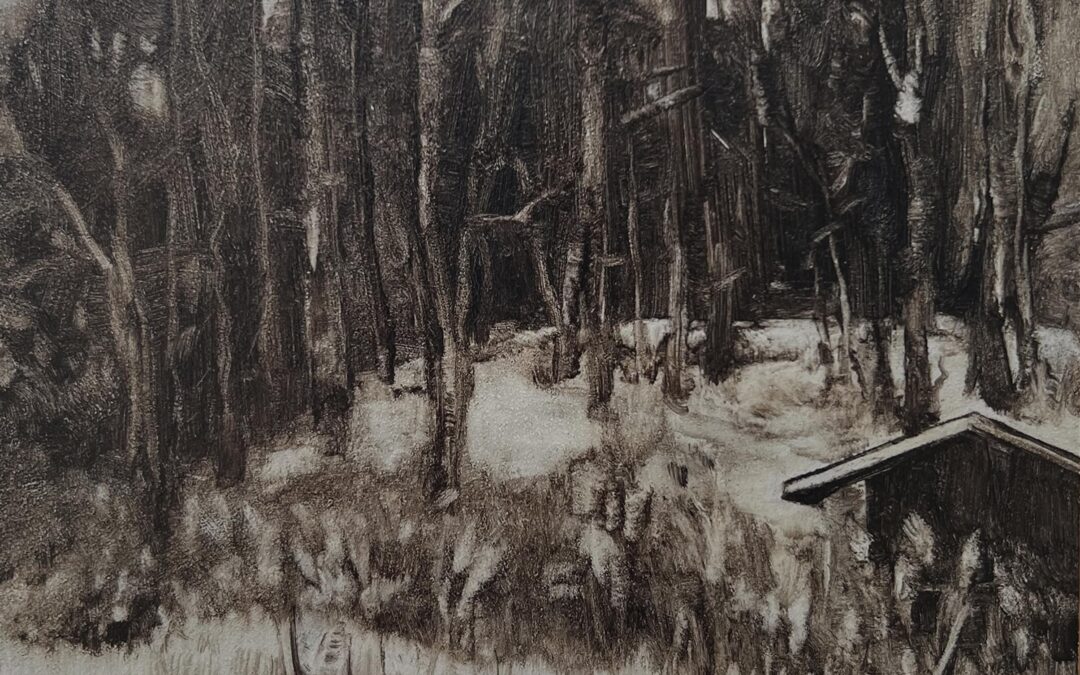
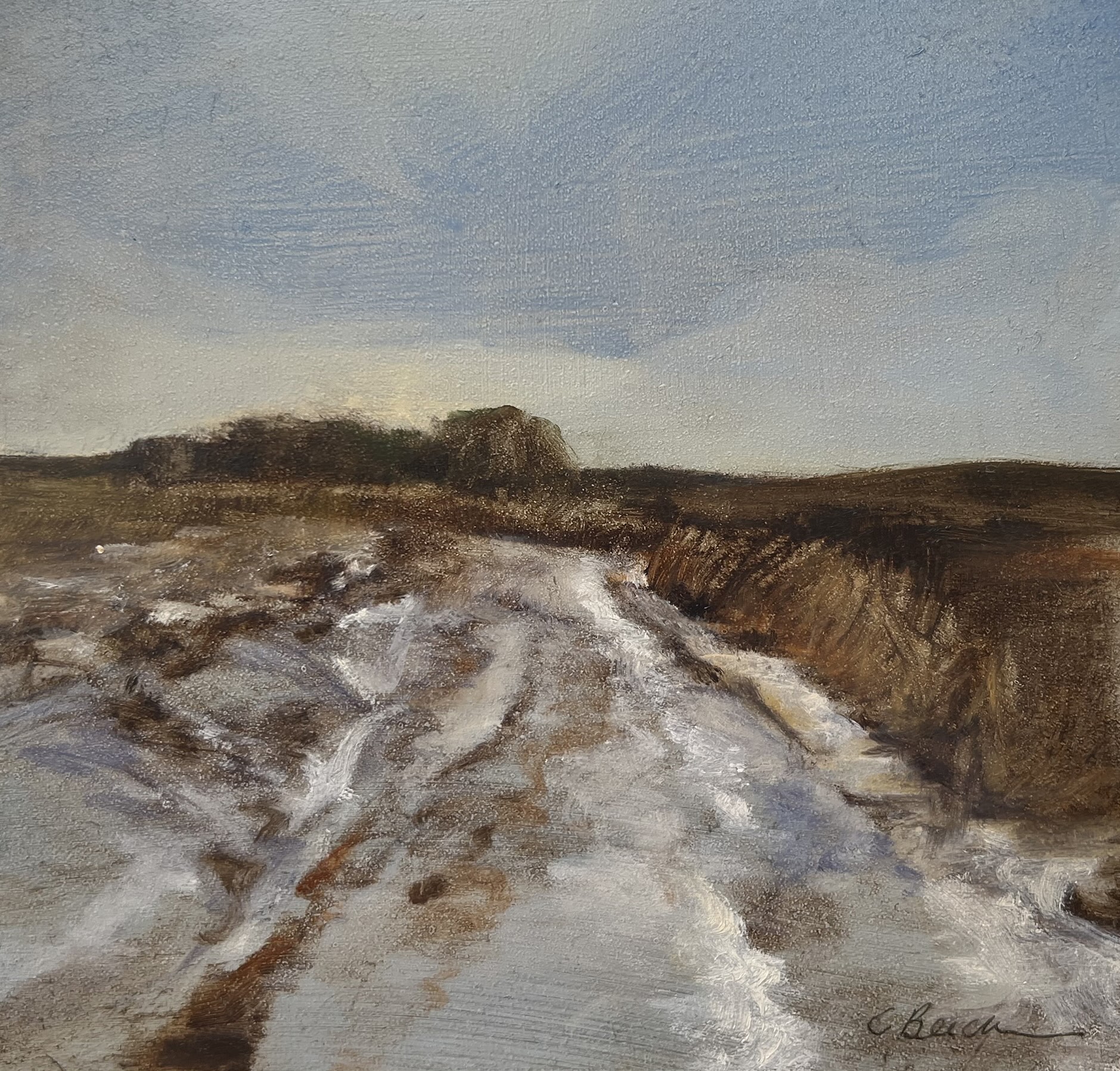
Christina Beecher

Christina Beecher

Christina Beecher

Artist Statement:
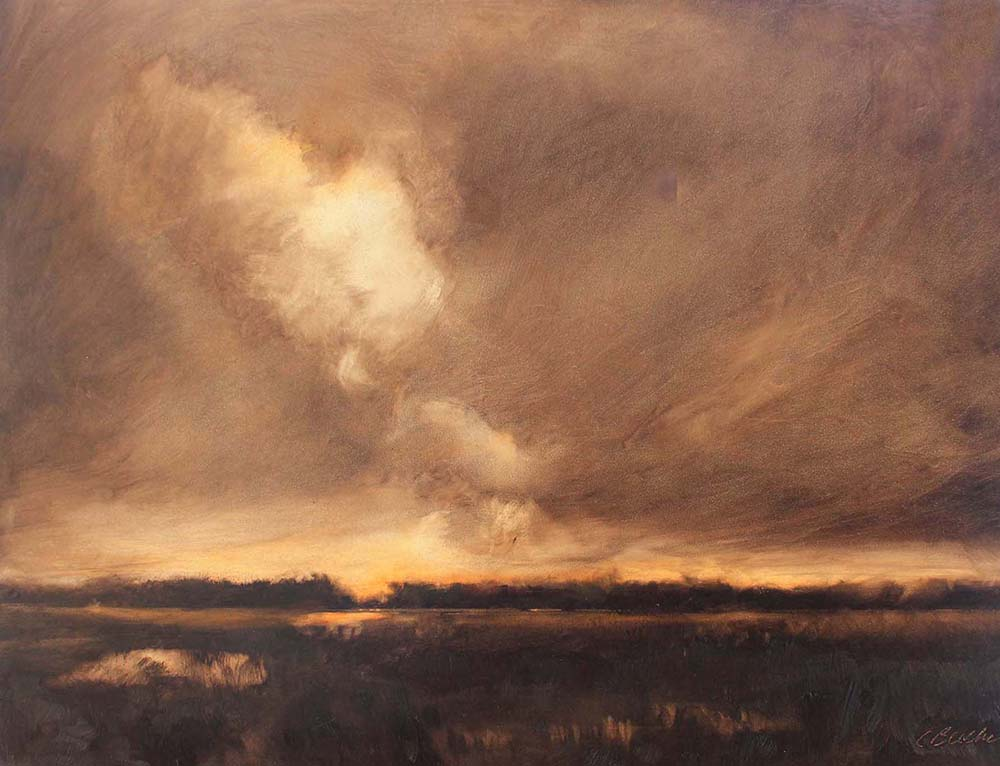
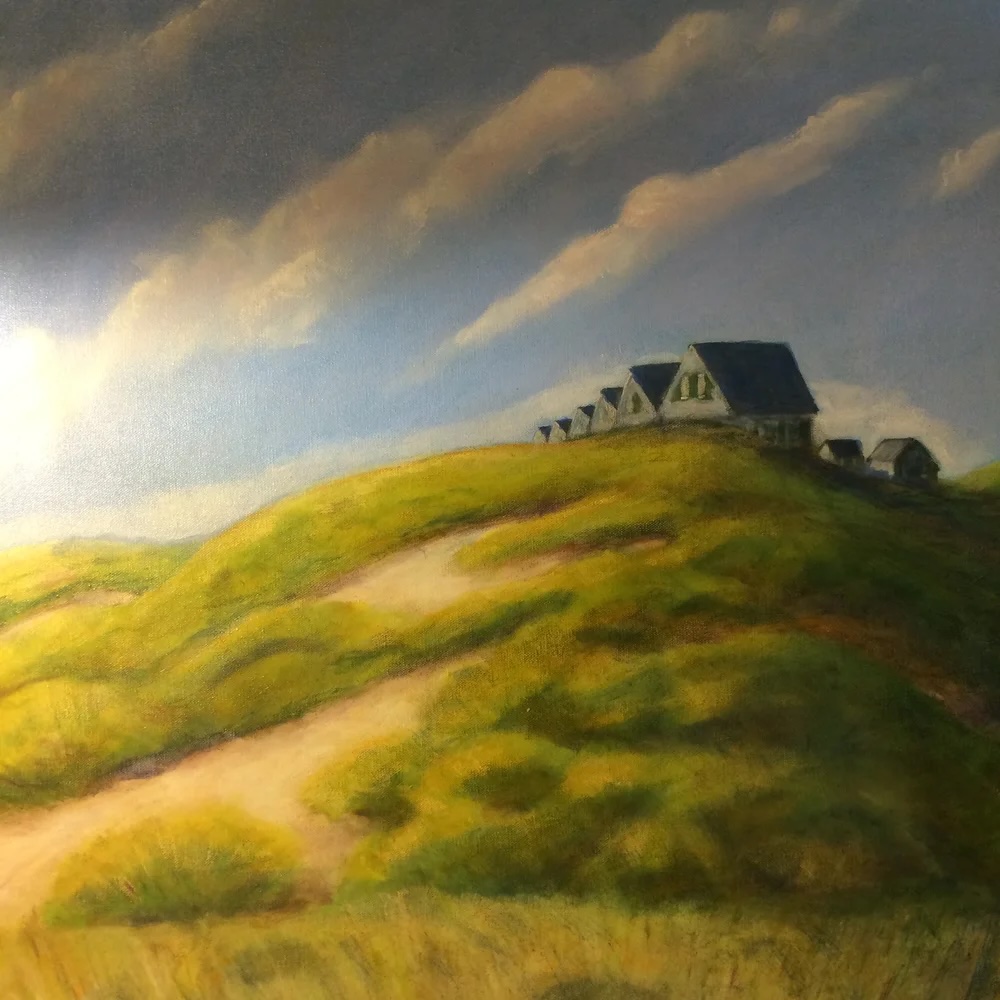
So deep is Nature’s effect on me, that I am always profoundly aware of the ever-changing light, tones and values of my surroundings.  I see the way the trees may look in the summer, full of life and color, and later, as the seasons change. I can study the complex structures of these same trees while marveling at their grace and simplicity.

​Artist Bio:

Christina holds a BFA from the Cleveland Institute of Art.  After spending nearly twenty years in the design world, Christina changed artistic direction and began to paint. Awestruck by the landscape, she has come to study its ever-changing qualities that make it so unique.  “I paint solely from memory, creating paintings that bring peace and a special quietude.  This frees me up to paint not only what I may have seen but also, more importantly, what I feel.”  Christina works in oils and often demonstrates her “wiping off” tonal technique to groups and workshops. This approach lends a special softness and ethereal quality to her work. This tonal is often left as is, with no added color, though she feels some of her work needs and deserves the “luxury of some color”. 

​Beecher’s work has been widely exhibited and has won many awards.  She shows in the local New England art scene and teaches private lessons out of her studio. 
Frank Capezerra

Frank Capezerra

Frank Capezzera

Artist Statement: 
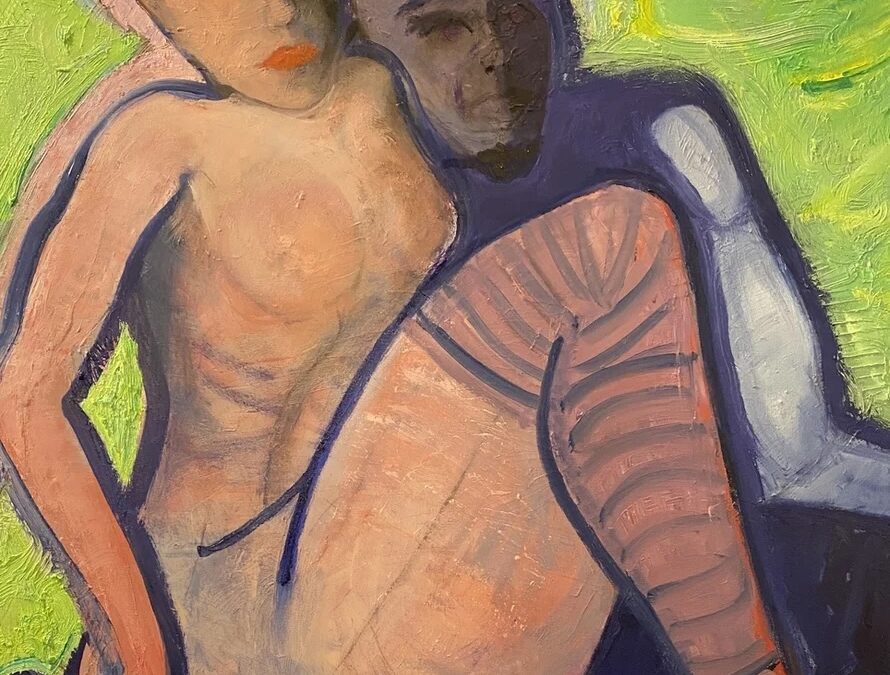
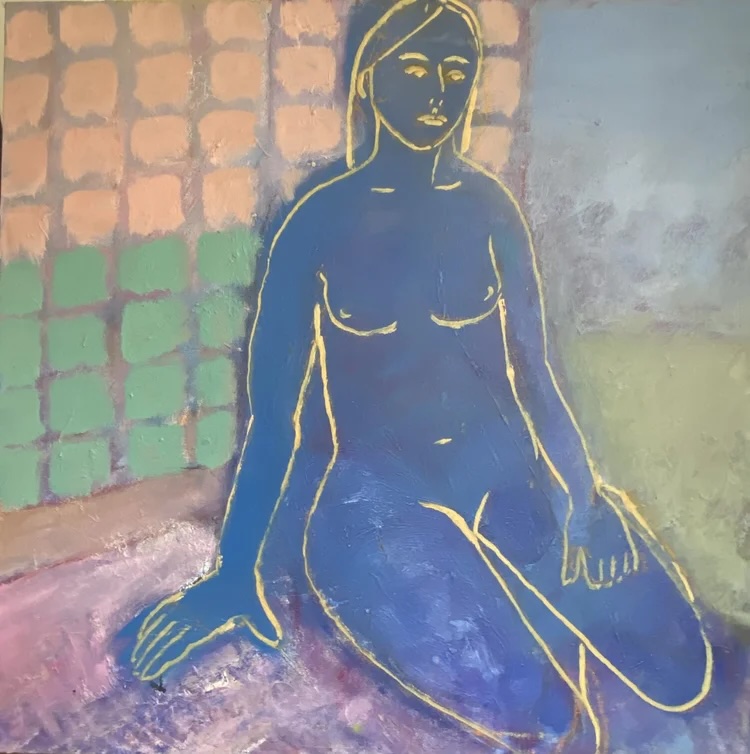
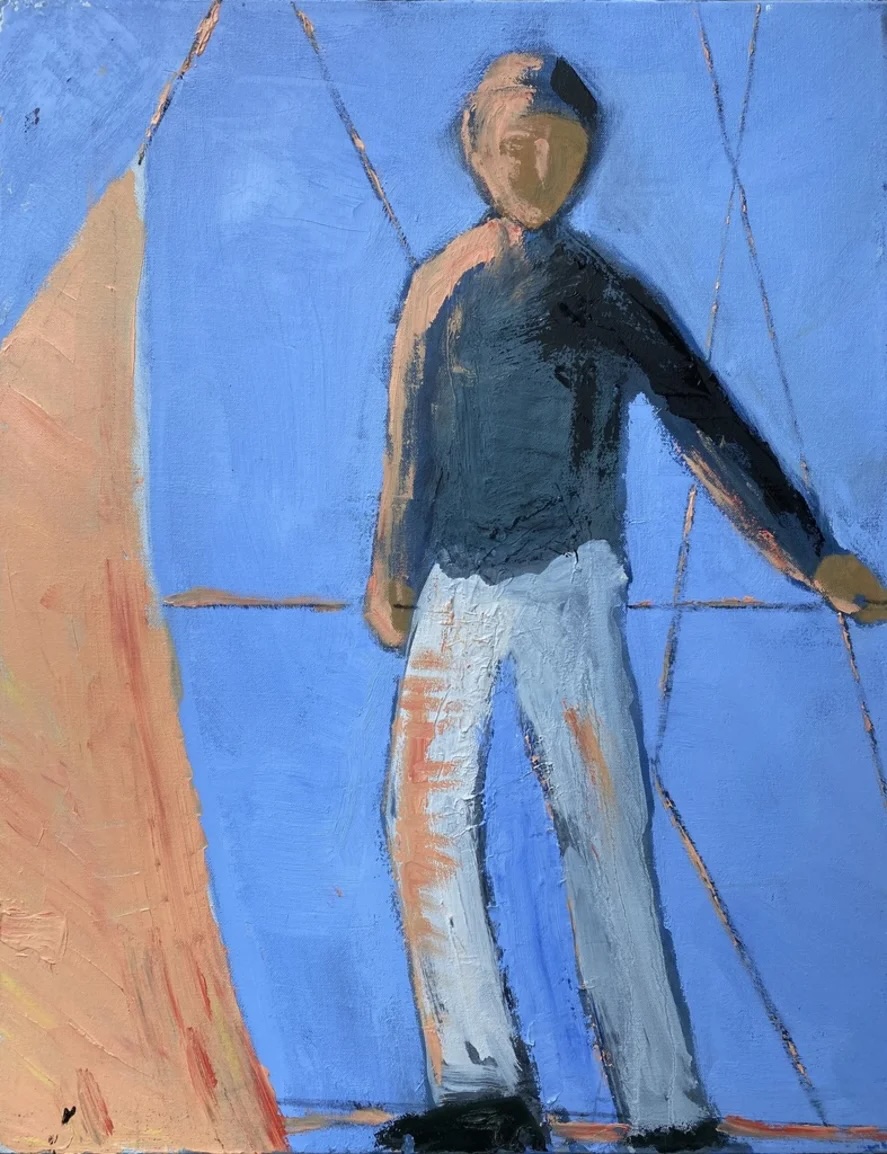
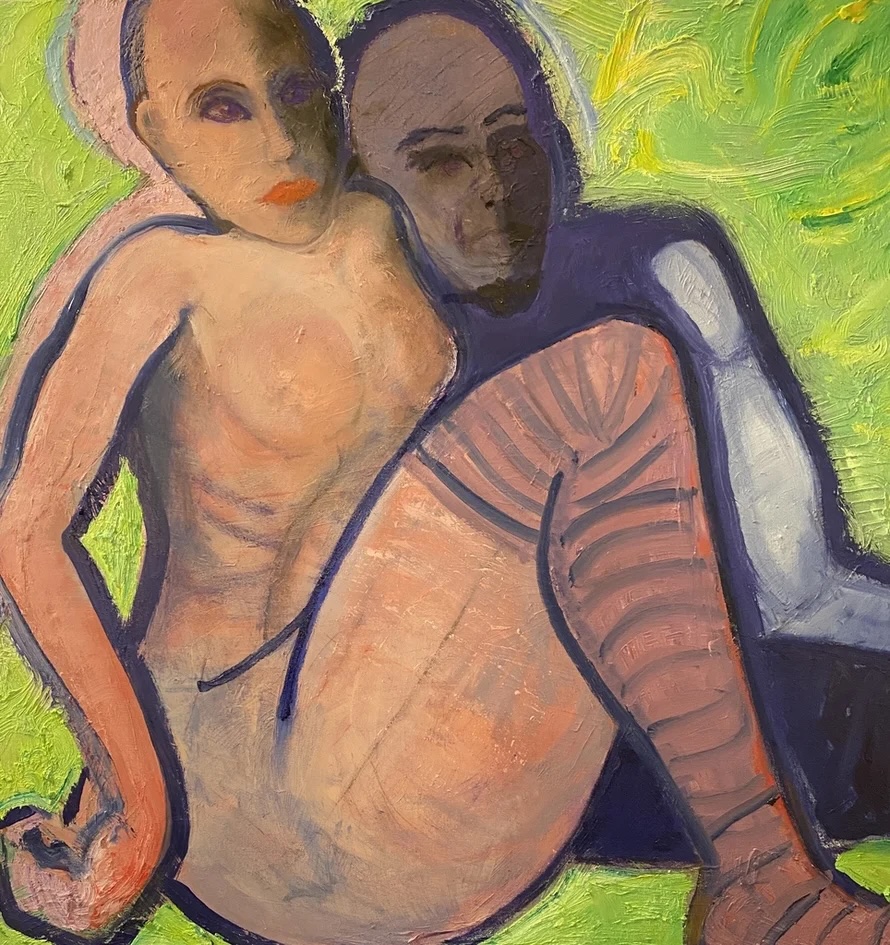
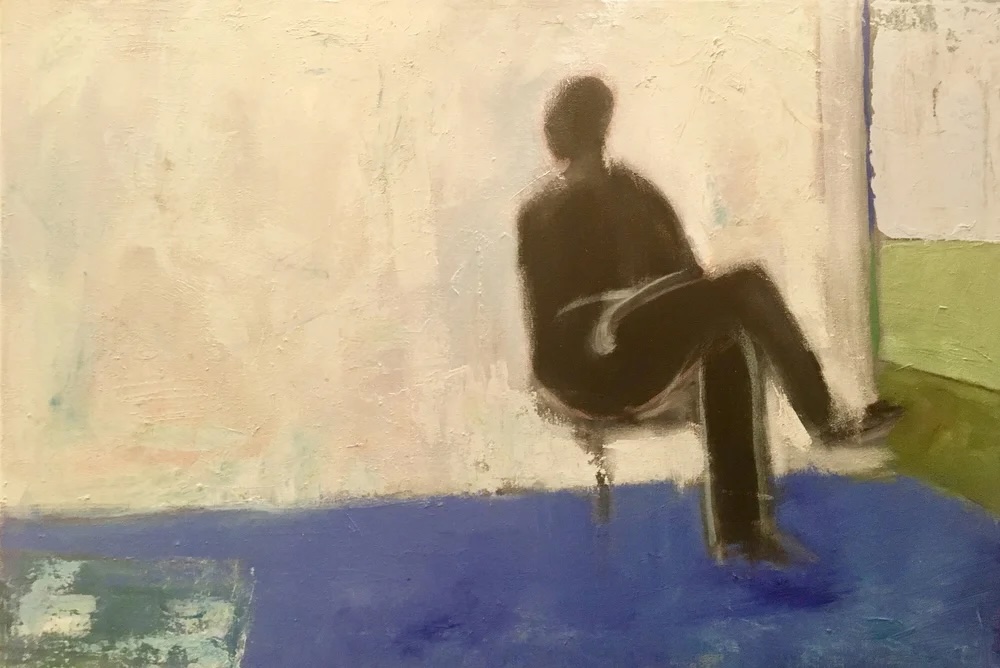
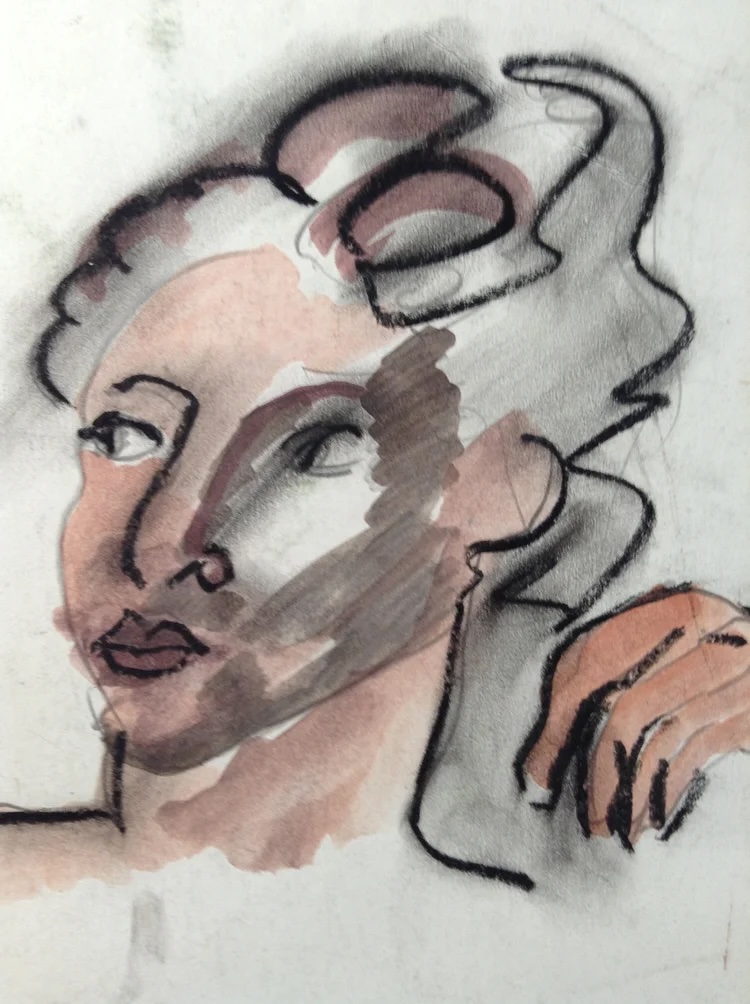
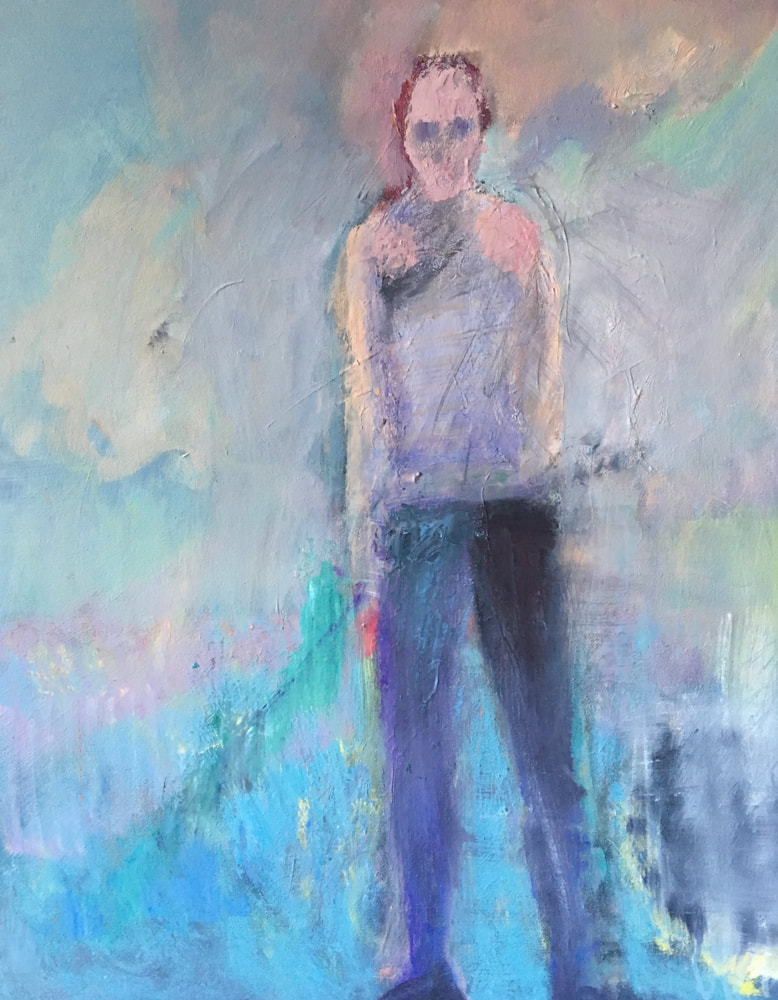
These paintings are from my current body of work depicting figurative images, some from live models. They arise from my interest in the work of several waves of the Bay Area figurative art movement of the 60s, 70s and 80s. My paintings are efforts to fashion elements of the human form – a gesture, the nape of a neck, a sideways glance, piled hair, a breast in silhouette, the cant of a hip, – in fields of color. I like to think that these images arise from my inner self, and that they represent something essentially human and recognizable.

I always have been drawn to the mid 20th century American abstract expressionists – Hoffman, Klein, de Kooning and many others – but also to Edward Hopper, to whom I was introduced in South Truro when I was an eight-year-old aspiring artist.  I did not follow a path to art;  instead I became a lawyer and enjoyed a satisfying career as a partner in a Boston law firm. But I never lost the desire to find out how to create something like the paintings I had seen and loved. Over the decades I made small landscapes, portraits and genre images to stay connected to my artistic passion in the hope that some day I could fully commit to it.
Now I am able to devote all of my working energy to making art on a more ambitious scale and in ideas that interest me; and, with the help of great teachers, I find myself happily making my own paintings and searching for my own language.

Artist Bio:
 

Frank Capezzera is an artist self-taught from reading, art history study, online video, observation, drawing and mark making throughout his life. Frank has intensively studied the work of Edward Hopper, having read virtually all of the serious scholarship and commentary about him. Frank had a series of formative connections with Hopper very early in his life (1950’s) and beginning in the 1960’s to date. Frank has studied life drawing privately with Dick Stroud, a classically trained painter, as well as in classes at the MFA, MIT, the Provincetown Art Association, and the New Art Center with John Murray, a neo-post modern expressionist painter. Other studies include plein air painting with Mary Giammarino, Cape School of Art; watercolor and sumi-e painting with D’Wei Kwo, and personal study of Zen ink painting images and kanji.
Randa Dubnick

Randa Dubnick

Randa Dubnick

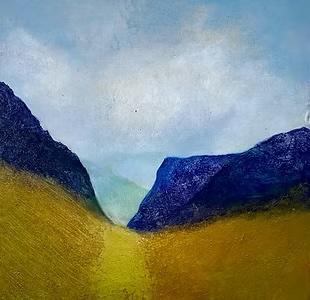
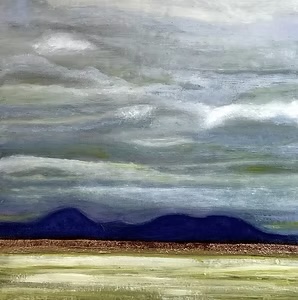
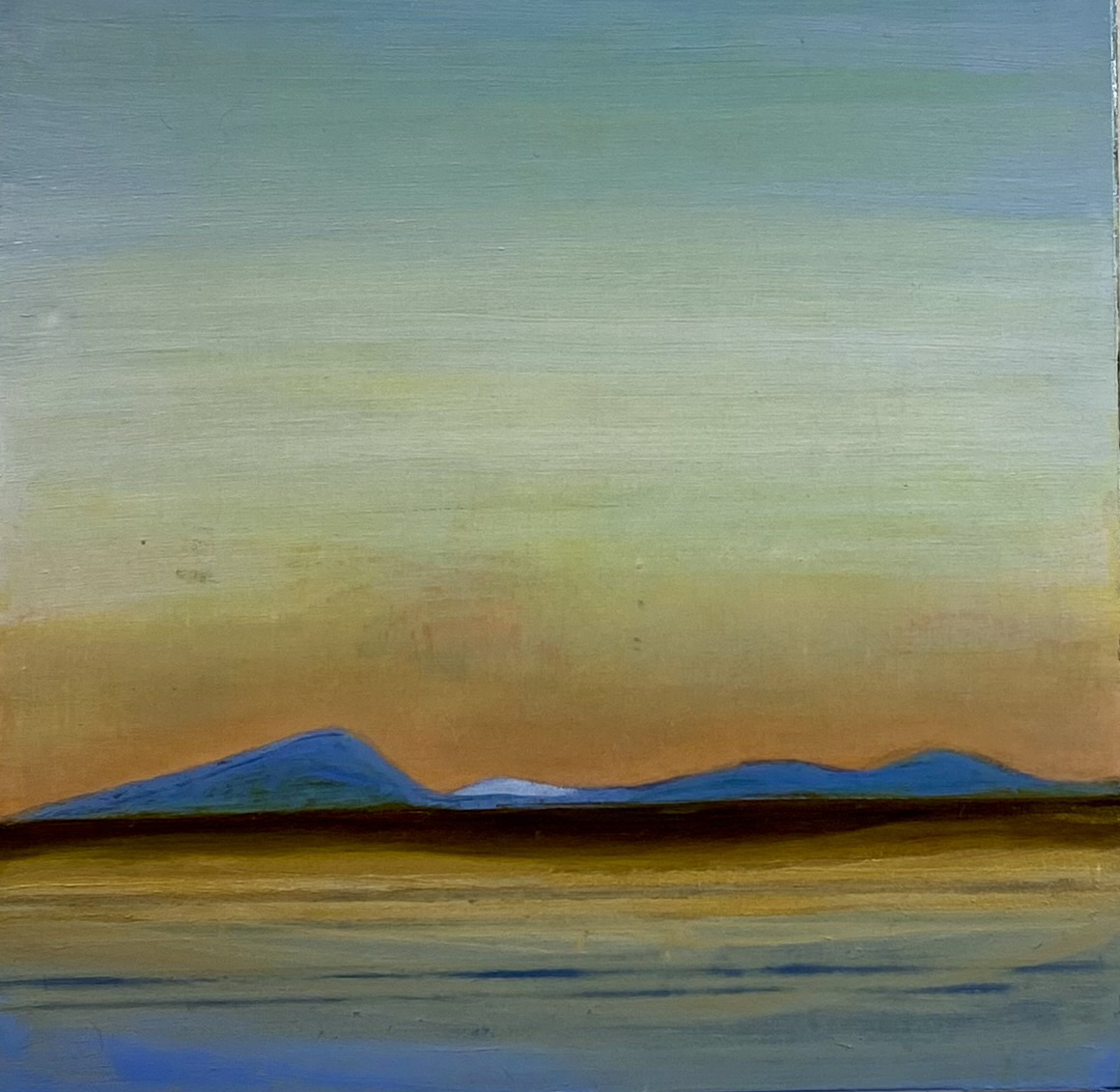
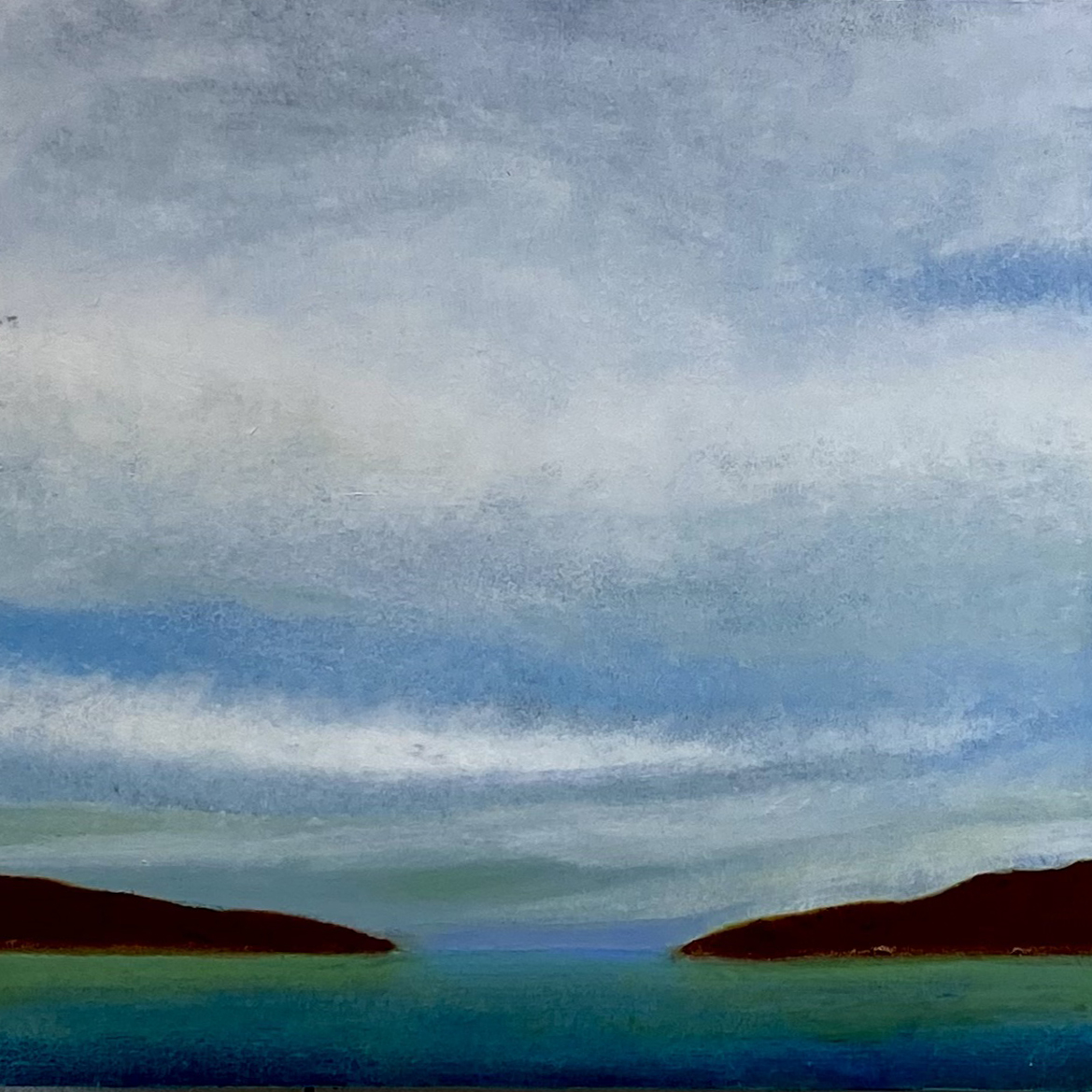
Artist Statement: 
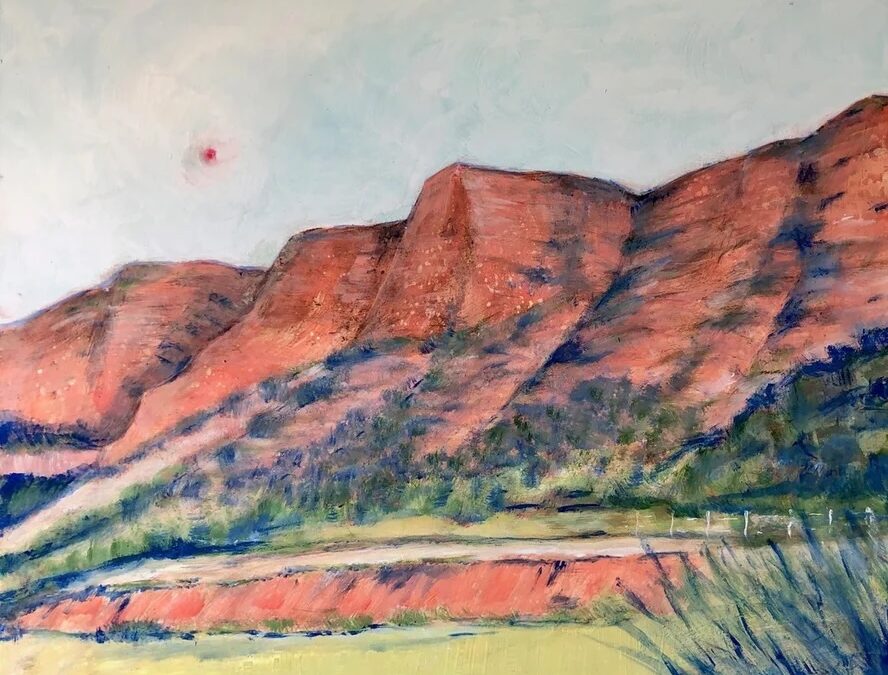
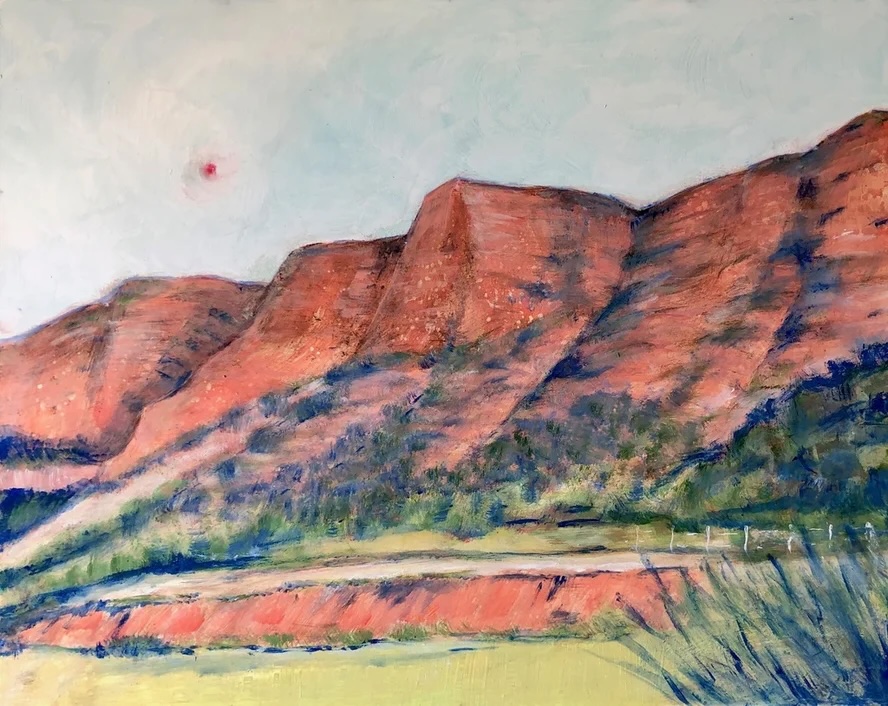
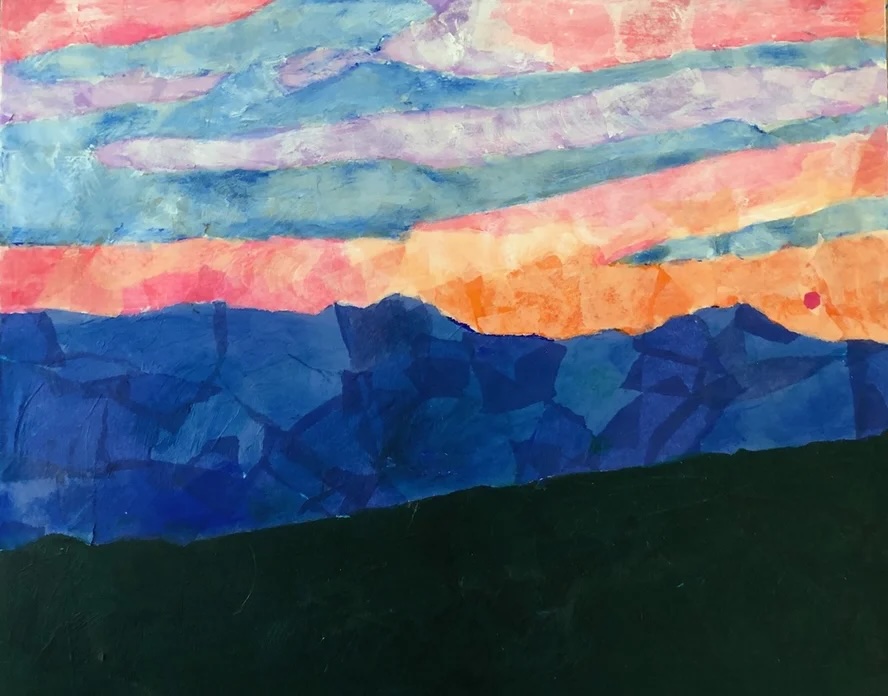
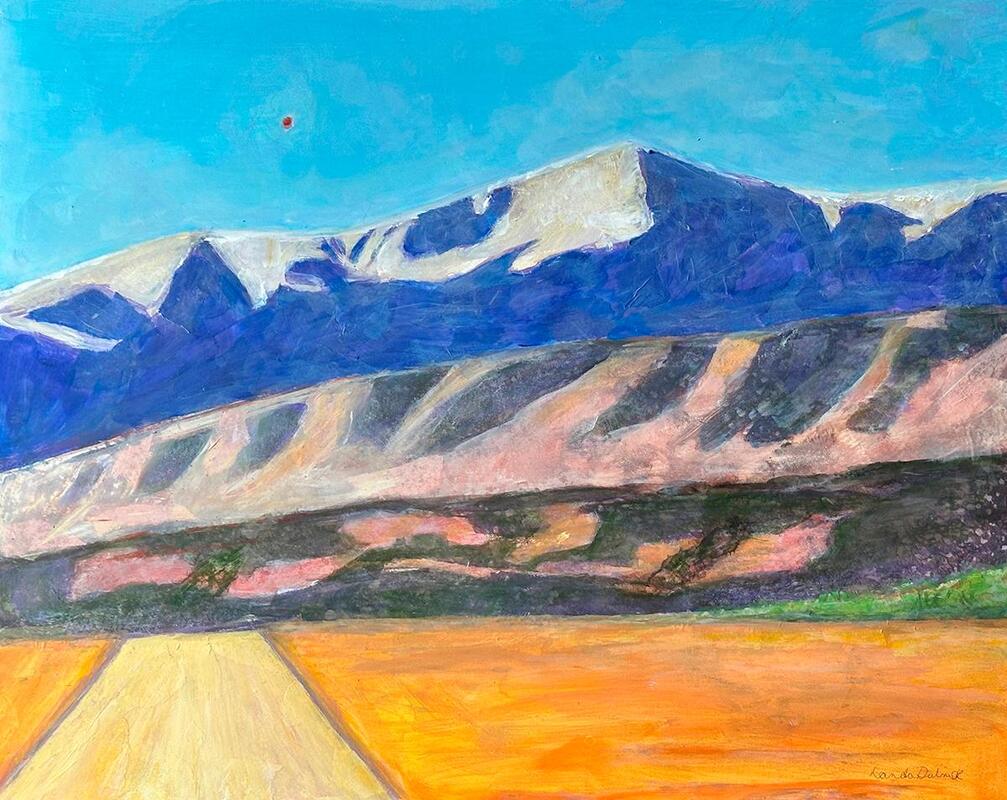
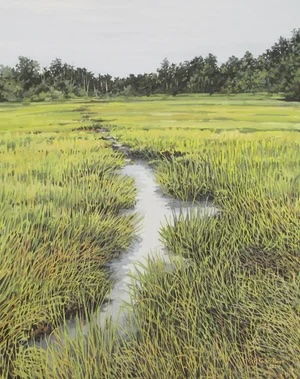
My recent paintings are part of a series of mountain landscapes inspired by memories and daydreams of my home state of Colorado. The mountains are in my mind's eye and I try to capture the beautiful lines of the Rocky Mountains and the colors of Colorado. The work is done from my imagination and my memories of the Colorado mountains. I work in acrylic paint, often on paper.  I enjoy experimenting with techniques and approaches borrowed from watercolor, mixed media, printmaking, and even raku pottery, to create the shapes and textures of the mountains. I make art every day. Since 2005, I have been posting an image daily on my blog, Randi Art. (randiart.blogspot.com)
Artist Bio: 
Randa Dubnick was born and raised in Pueblo, Colorado. As a child, she loved to draw and paint, and took art lessons from grade school through high school.

She studied painting at Southern Colorado State University and earned a BFA at the University of Colorado, Boulder. Randa also earned an MA and PhD in Comparative Literature from the University of Colorado. Her dissertation on Gertrude Stein and Cubism was published by the University of Illinois Press in 1984. Although Randa left Boulder after college, going back only periodically to visit family and friends, those mountains have stayed with her all this time.

Randa had a long career in college teaching and administration and moved frequently, living in Lawrence, Kansas; Chicago, Illinois; and Princeton, New Jersey. In 1997 she moved to Beverly, MA.

She has participated in drawing groups, artist’s collectives, art auctions, group shows, and art instruction (formal and informal), whenever possible, including evening classes at Montserrat College of Art, where she was VP of Student Services from 1997 to 2004.  

Since 2005, Randa has been a member of Porter Mill Studios in Beverly, MA, where she maintains a studio and participates in events and exhibits.  In 2013, she began exhibiting at Galatea Fine Arts.

Robin MacDonald Foley

Robin MacDonald Foley

Robin MacDonald-Foley

Artist Statement: 
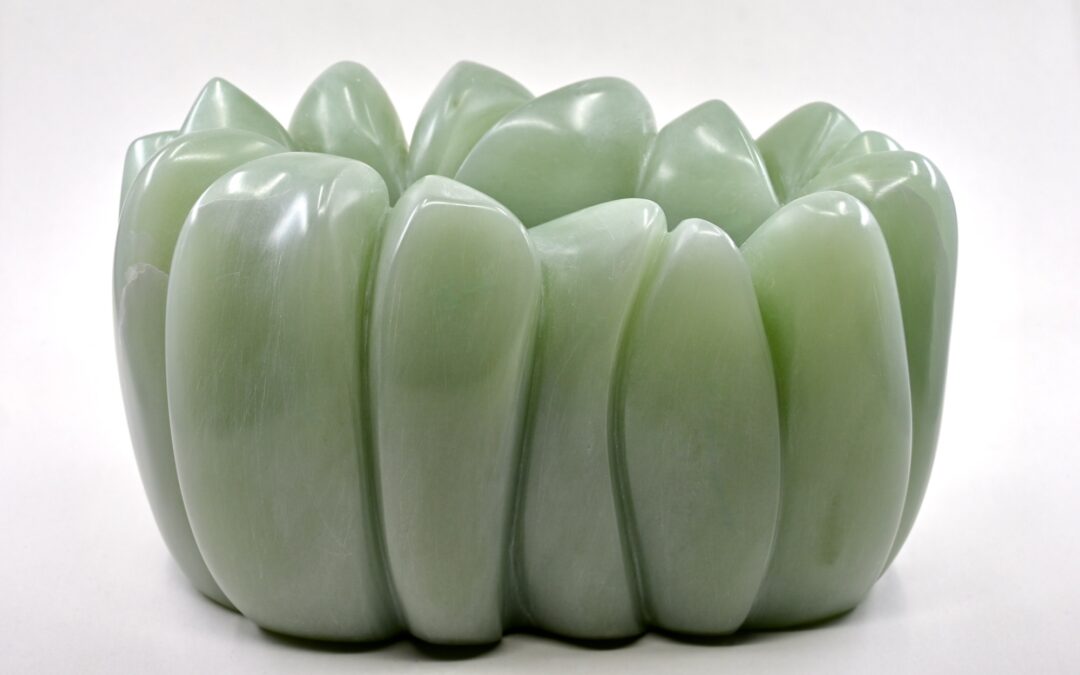
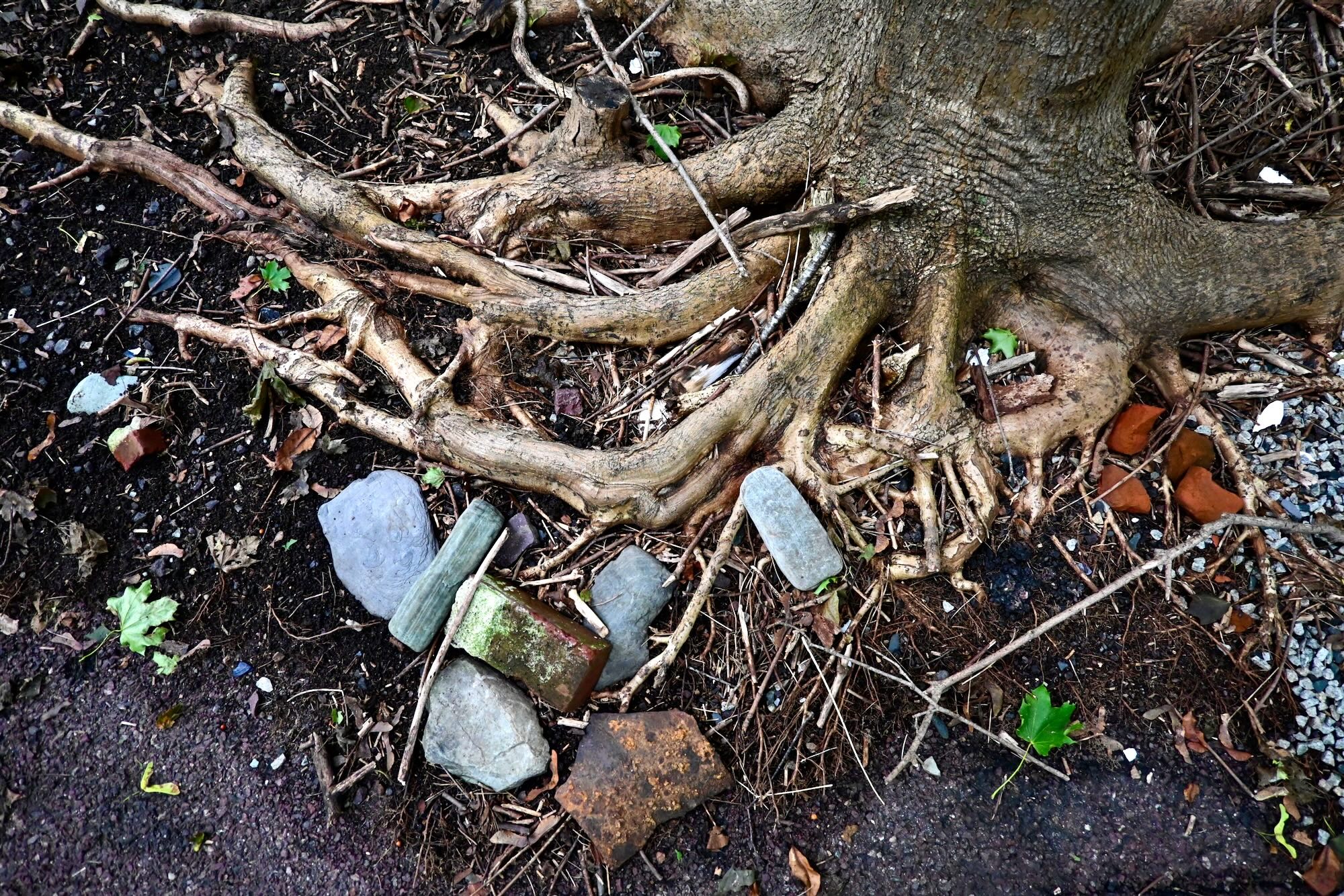
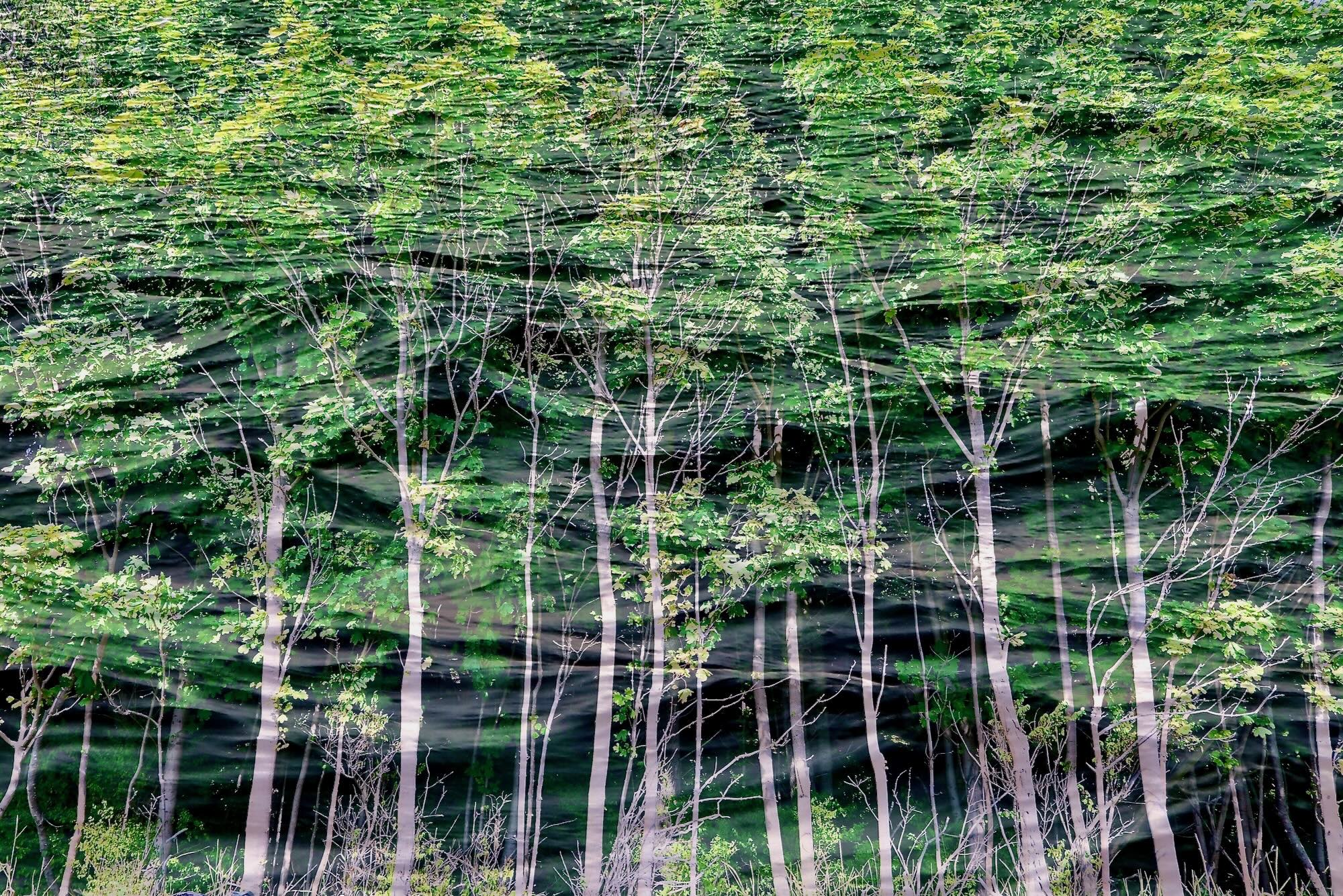
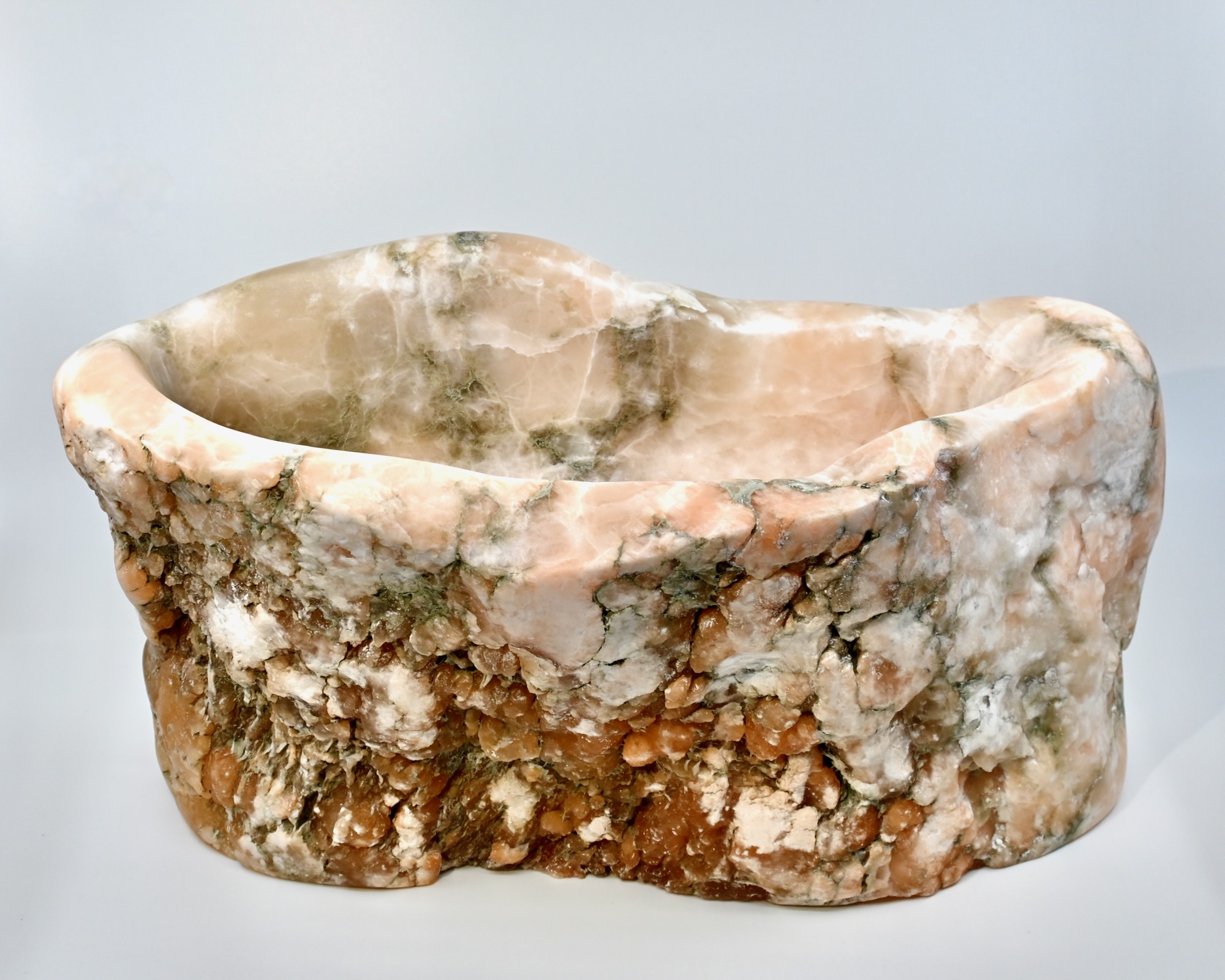
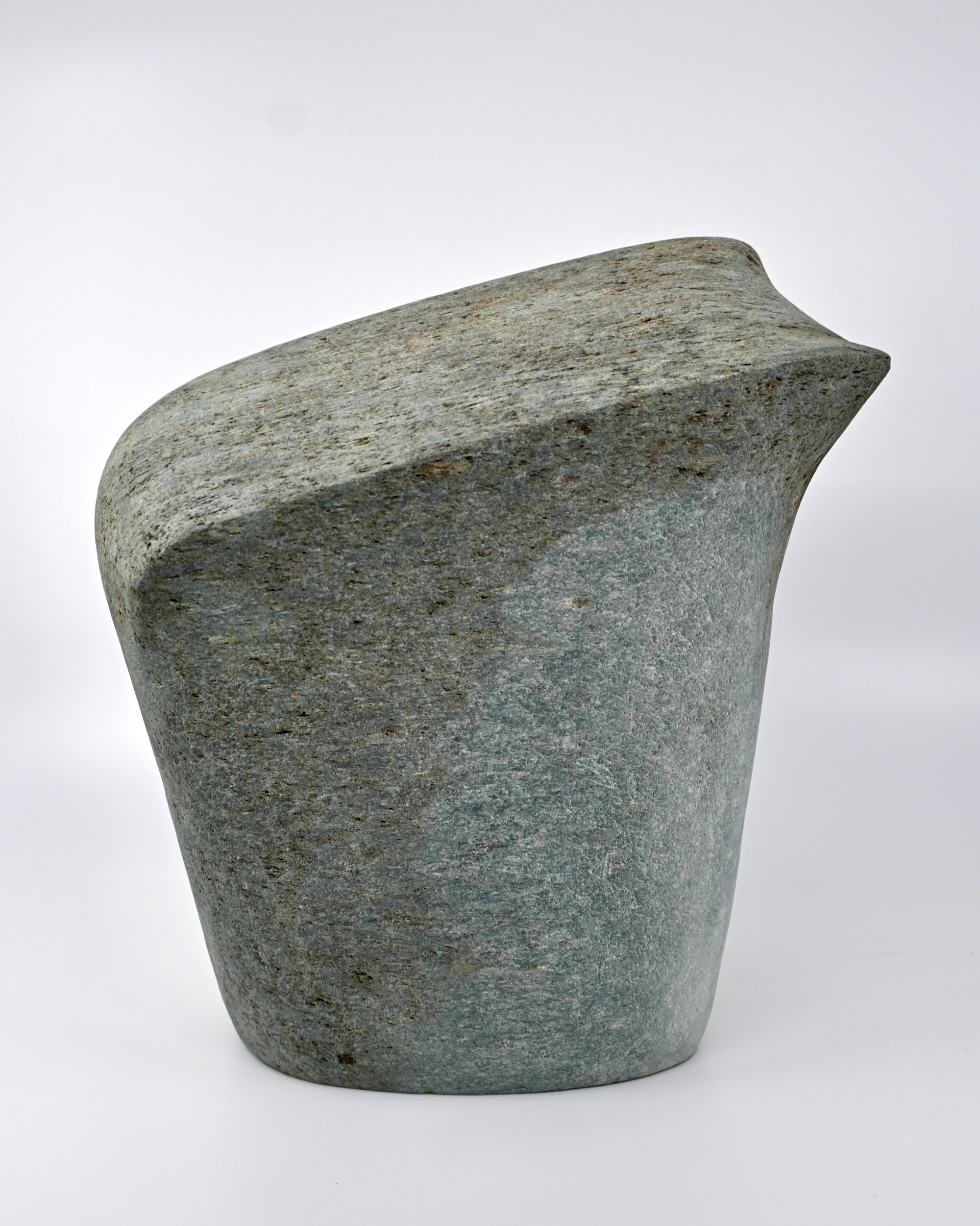
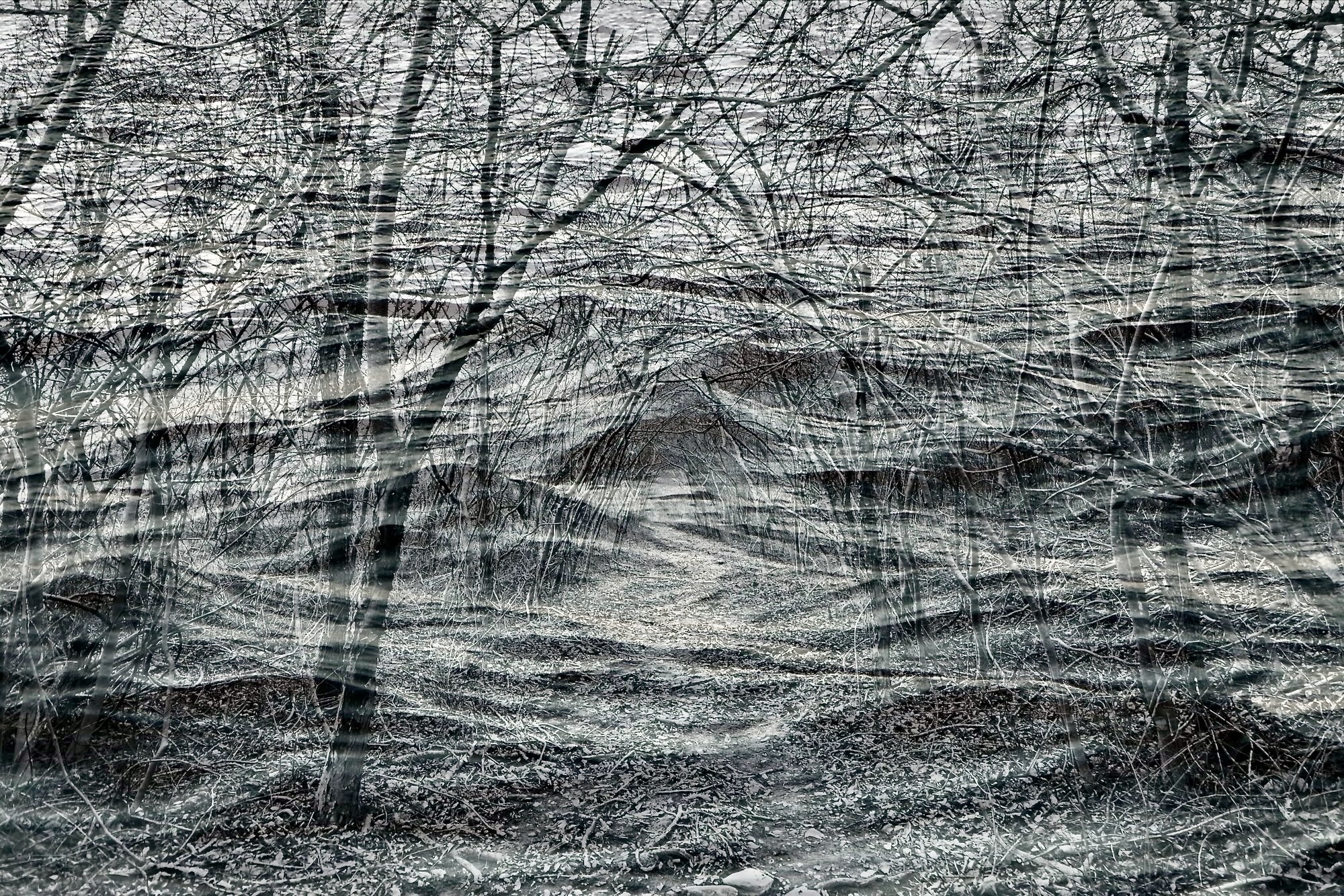
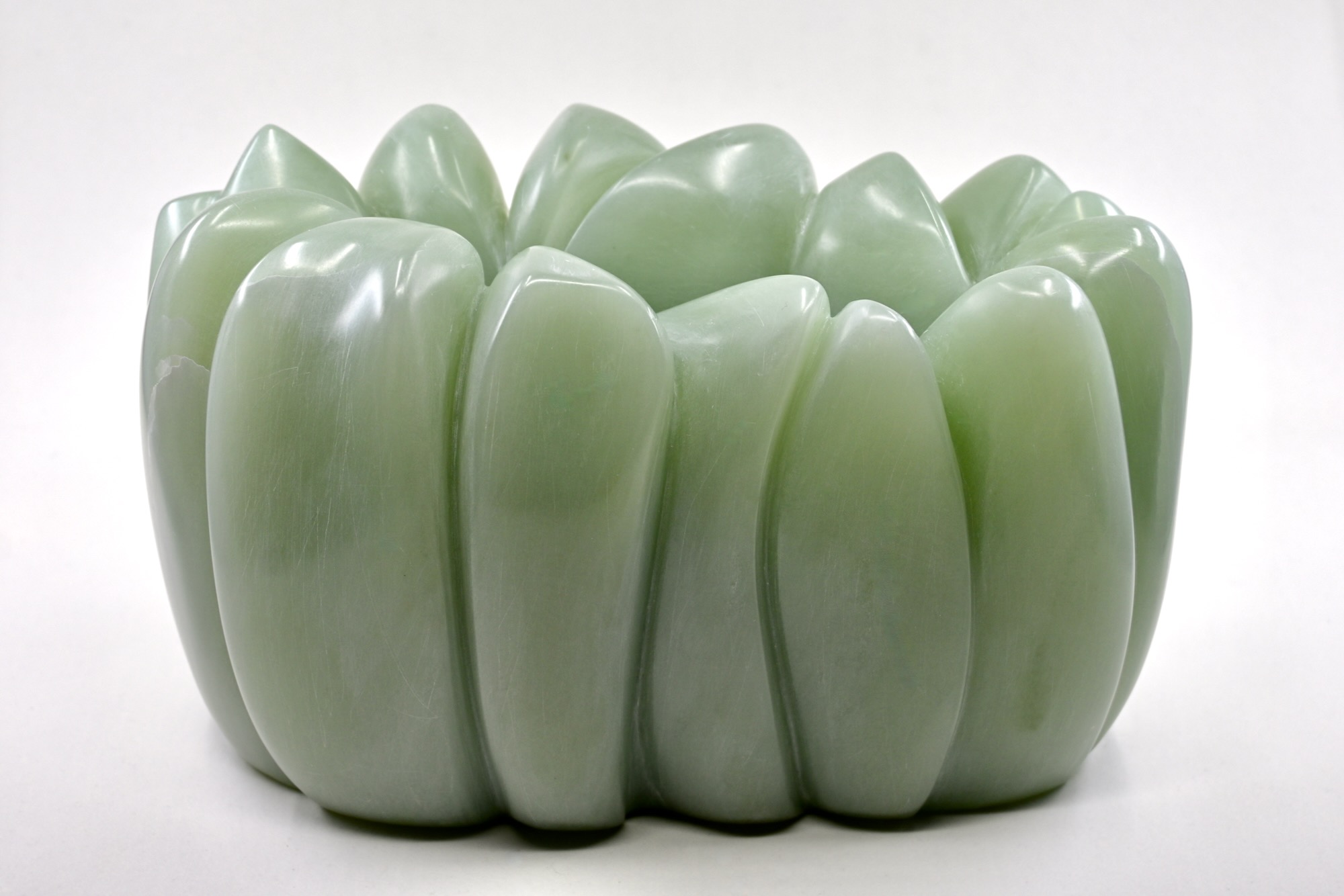
​​I’m a multi-faceted artist with a passion for landscape themes in real and abstracted forms. After ten years of maintaining a studio, in 2004 I began working directly in nature—a haven of creative ideas ensued. Empowered by our ever-changing environment, my photography and sculptural work has been influenced by islands and coastal regions, places I’ve known since childhood. Documenting close and distal views, a myriad of colors, texture, and shapes, informs the way I process my art while recording time and being present in the moment.
Artist Bio: 
A Quincy, Massachusetts native, Robin MacDonald-Foley received her BFA from the Art Institute of Boston at Lesley University, where she developed her creative expression in a wide variety of mediums, including painting and the traditional art of stone carving. Her work has been included in many exhibitions both locally and nationally, and has been widely published in healing arts materials, educational textbooks, and sports magazines. Prior to her fine arts pursuits, Robin held a career in design and graphics. She currently teaches art in Mission Hill and is a recipient of the Mission Hill Fenway Trust Grant for art workshops. In 2019 she was awarded a Boston Harbor Islands Artist in Residence position, inspiring her work specific to islands and climate change. An avid bicyclist, Robin loves exploring the less traveled roads that inspire her art and writing.

Yvonne Troxell Lamothe

Yvonne Troxell Lamothe

Yvonne Troxell Lamothe

Artist Statement:
Painting en plein air keeps me grounded and observing and finding relationships in the natural world has become a form of meditation for me. I spend countless hours walking along the sea and hiking into the woods photographing and taking in special moments as I move along. Yet, I do have a restless spirit and attribute my constant searching and exploration of how to express the glory and unpredictability of the environment to my being an art educator for many years. The need to explore a variety of approaches has been ever present for me. As a painter, I am not easily satisfied with my work and seek new solutions to showing a spirit, finding an element of surprise and looking beyond the surface. Helen Torr, Lois Dodd, Marsden Hartley, George Bellows are among those whose work inspires me. 
Artist Bio
Yvonne Troxell Lamothe has pursued her interest in painting by both observing the natural world and being immersed in the elements. Learning and unlearning as an art educator and as a life long learner and an art maker has been an engaging process for her. Endlessly challenging her own ability, she has studied painting with many accomplished artists and now is accepting the outside world as her teacher. She has been producing both oil paintings and watercolors mainly completed en plein air. Yvonne embraces her roots in New England. Finding  intrigue with marshlands, woodlands and glorious vistas of Quincy, Massachusetts and the south shore where she now lives and her cabin in Ossipee, New Hampshire and the White Mountains where she finds solitude gives her ample inspiration for painting. Trips to the Maine coast and Vermont offer great additional and endless places to stop and paint.  It is no wonder that such a range of American painters have found their way here to New England. Among her favorites are Marsden Hartley, Lois Dodd and Milton Avery.  Her paintings show close connections to the earth because of the unusual perspectives that she finds to insure a closeness to her subject. Color is of essence to Yvonne and this joy can be felt in her work. And, of course, as the earth becomes more threatened, she hopes her paintings will inspire others to take time to appreciate and celebrate our planet. 
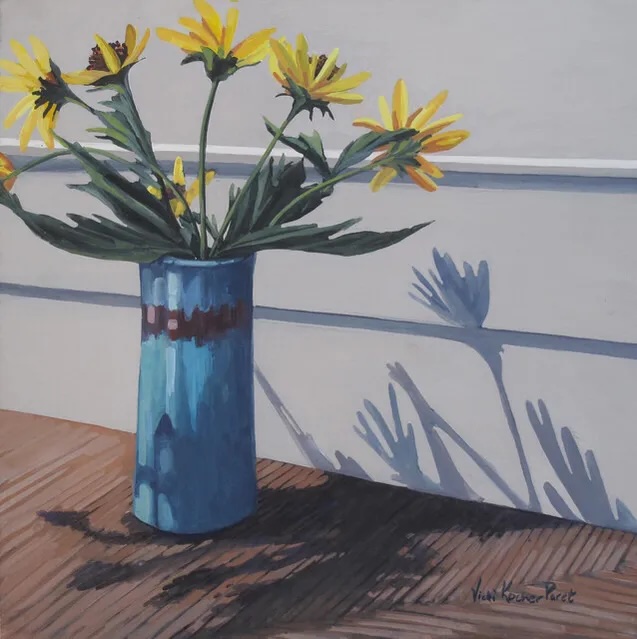
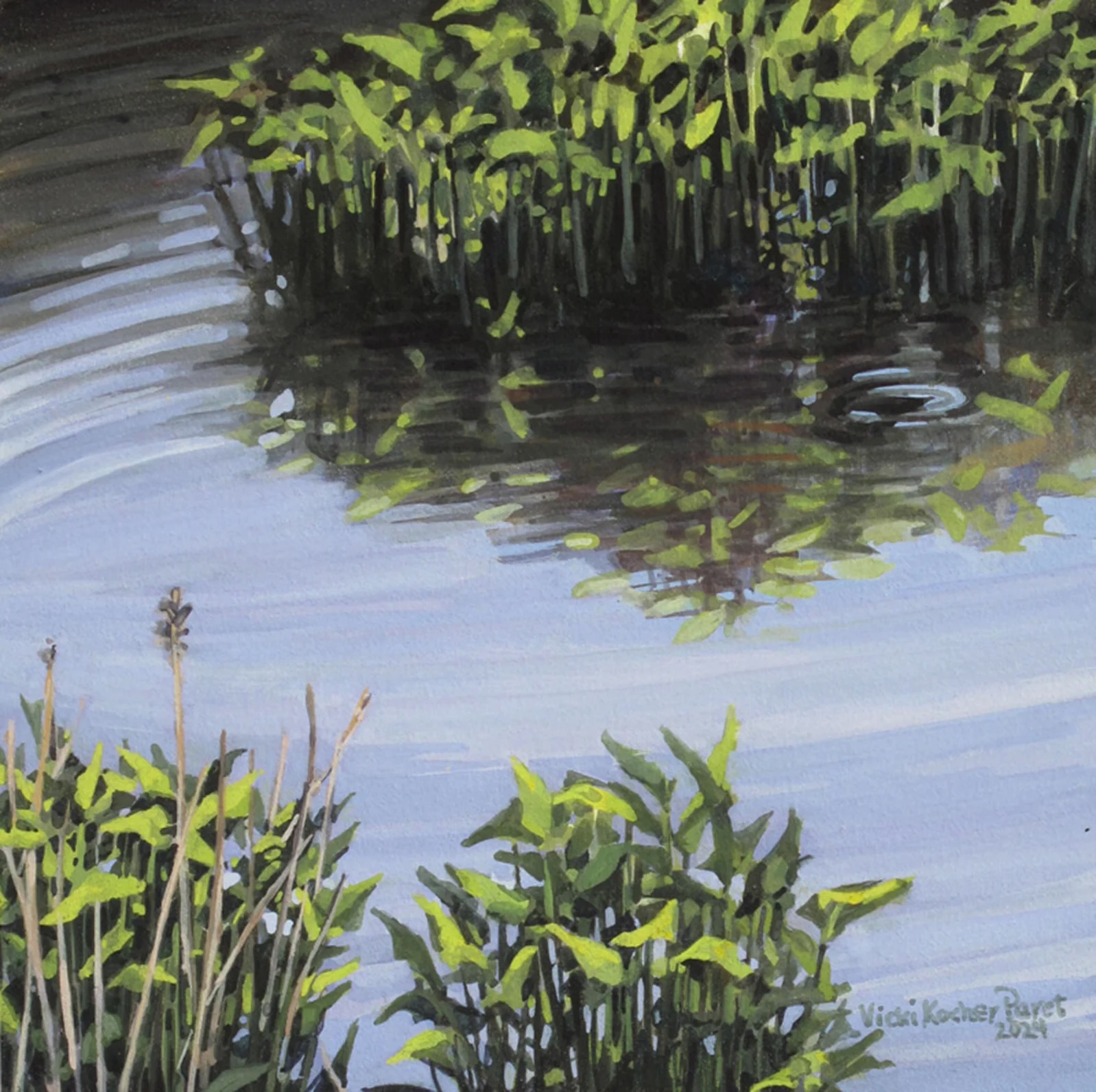
Vicki Kocher Paret

Vicki Kocher Paret

Vicki Kocher Paret

Artist Statement:
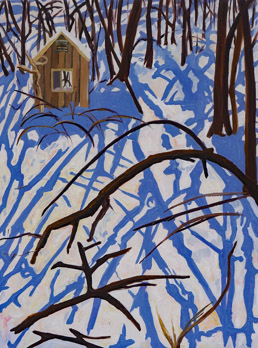
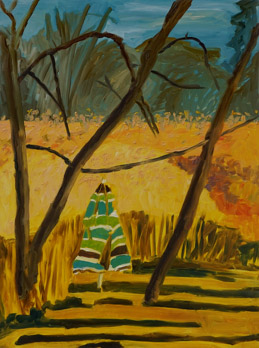
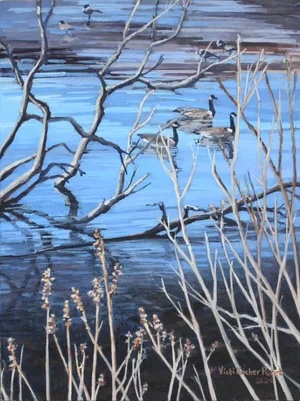
​As I wander, I see my surroundings through the medium of paint. I notice formal elements, and imagine a painting composed of the patterns, textures, shapes, color, and values I see. The imagery provides a structure for the process of painting. As I proceed from one painting to the next in a series, I explore color and spatial relationships, different marks and methods for rendering the image, and their effect on the tenor of the piece.

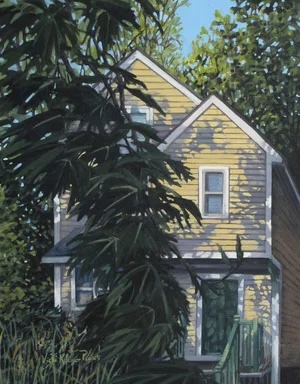
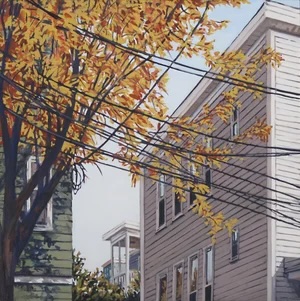
Elements in forests and urban neighborhoods are woven together to create a sense of place, recreating the feeling of being in these environments, where trees figure prominently.  The woods are dense, yet there are pathways through – created by light getting through to the ground or openings in the tangle of things growing. I like finding the passage through the visual chaos.  In the neighborhood paintings, trees provide a powerful visual counterpoint to the close space, patterns and colors of the buildings. Trees are an amazing element in the city – uplifting visually, spiritually, and environmentally.

In the end the paintings are the product of my desire to spend time with paint, and to portray the beauty I see in my encounters. Sometimes my subjects are beautiful in odd, quirky ways, and sometimes as expressions of the power of nature, and I am compelled to paint them in detail.

Artist Bio: 
Vicki Kocher Paret currently lives and paints in Cambridge. She is a representational painter, exploring beauty in objects and place.
Her formal training began with a BFA in Painting and Printmaking from Virginia Commonwealth University, and later she completed her Master of Arts in Teaching in Art Education at Tufts University/School of the Museum of Fine Arts Boston. Her paintings are in numerous corporate and private collections, including Children’s Hospital Boston, Cubist Pharmaceuticals, Fidelity Investments Corporation, and Wellington Management Company, LLP.  

Vicki’s past positions include serving as the Chair of the Art Department at Waring School in Beverly, and being on faculty at the DeCordova Museum, the Museum of Fine Arts Boston, and the Cambridge Center for Adult Education.  She currently offers classes at the Arlington Center for the Arts and the Eliot School in Jamaica Plain. 
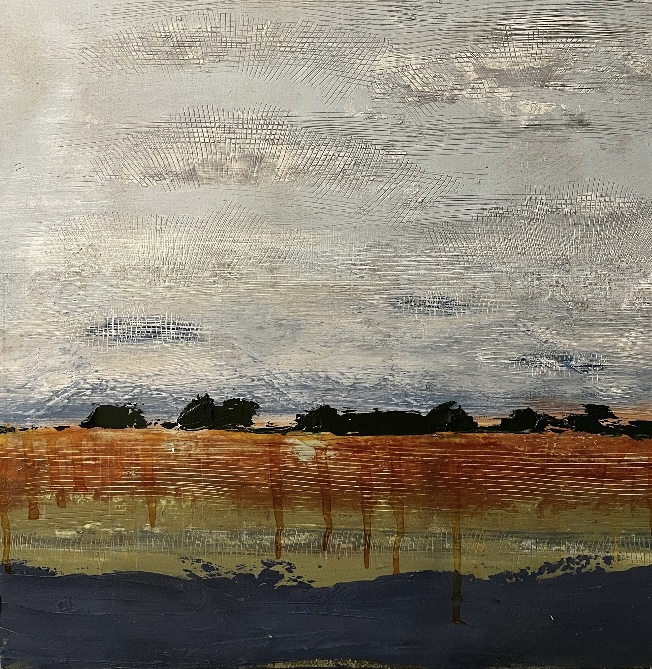
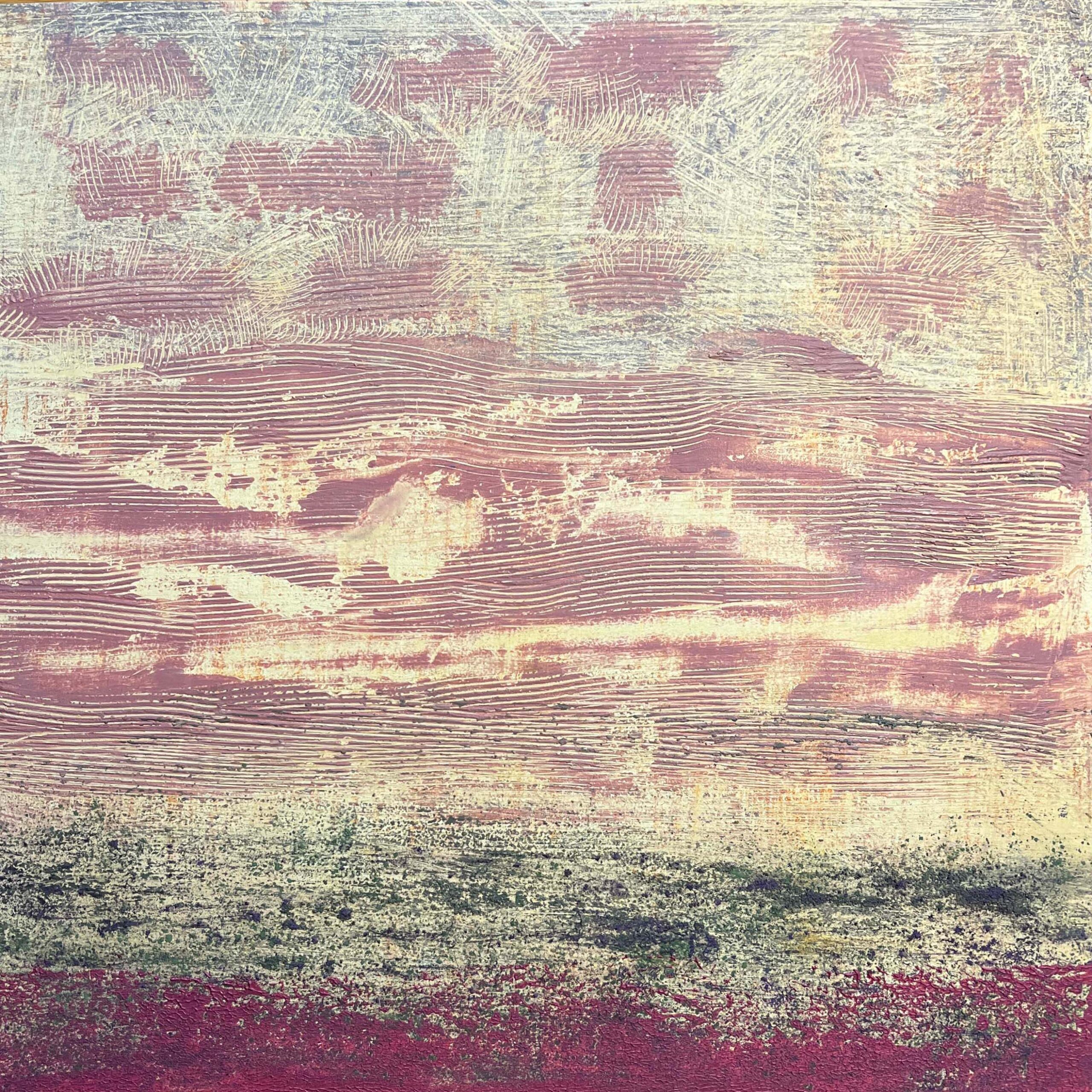
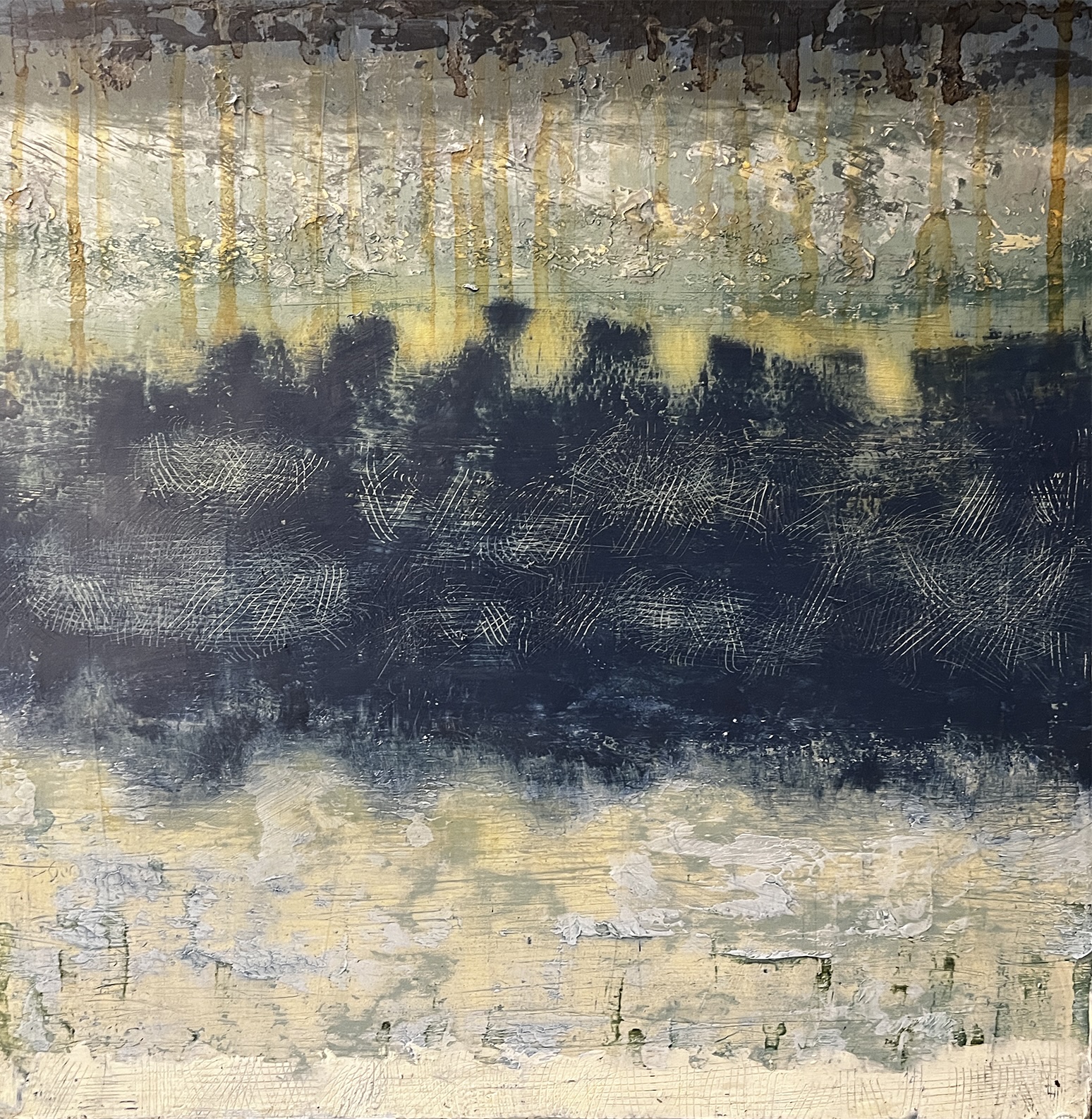
Deborah Perugi

Deborah Perugi

Deborah Perugi

Artist Statement:

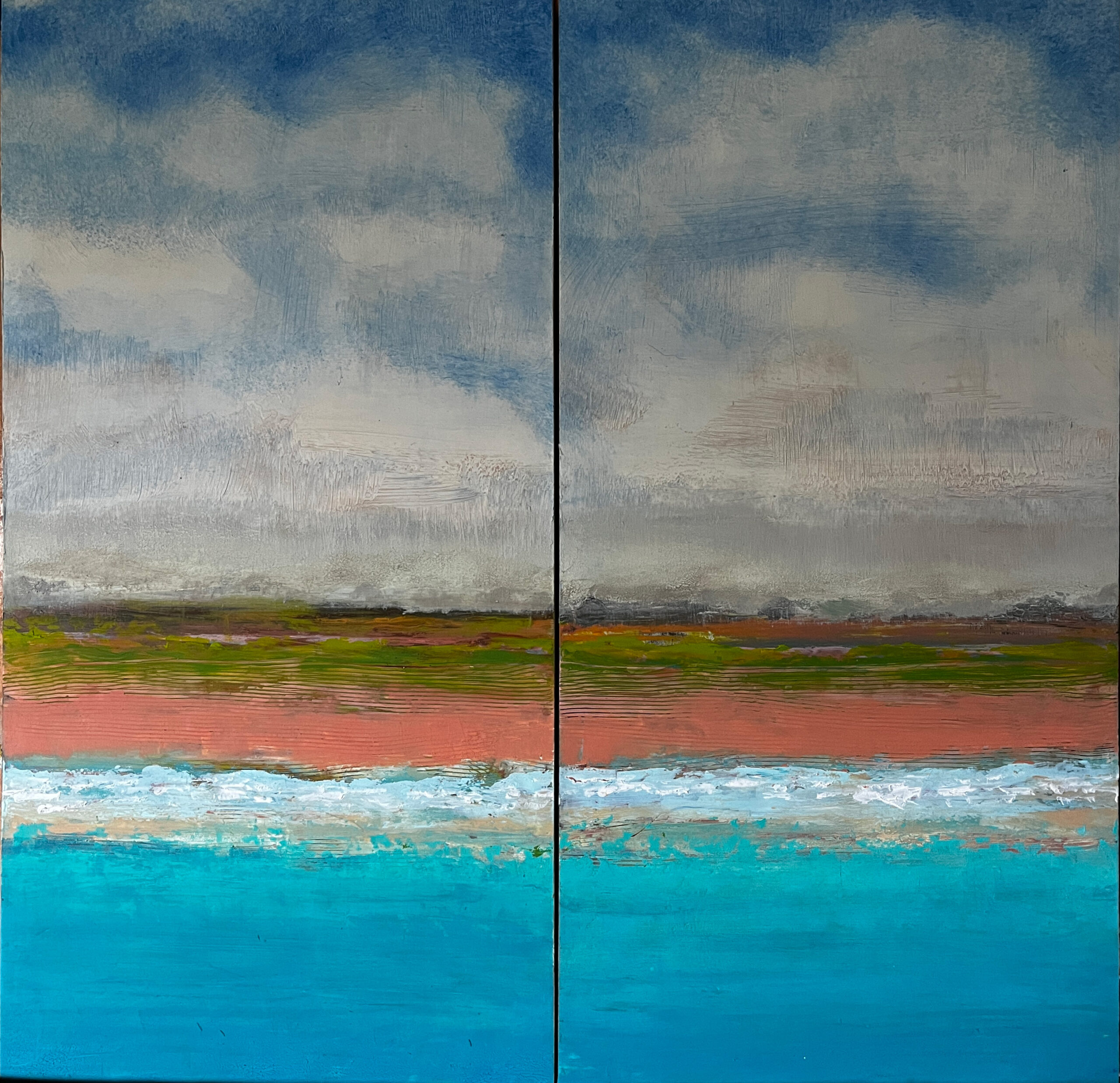
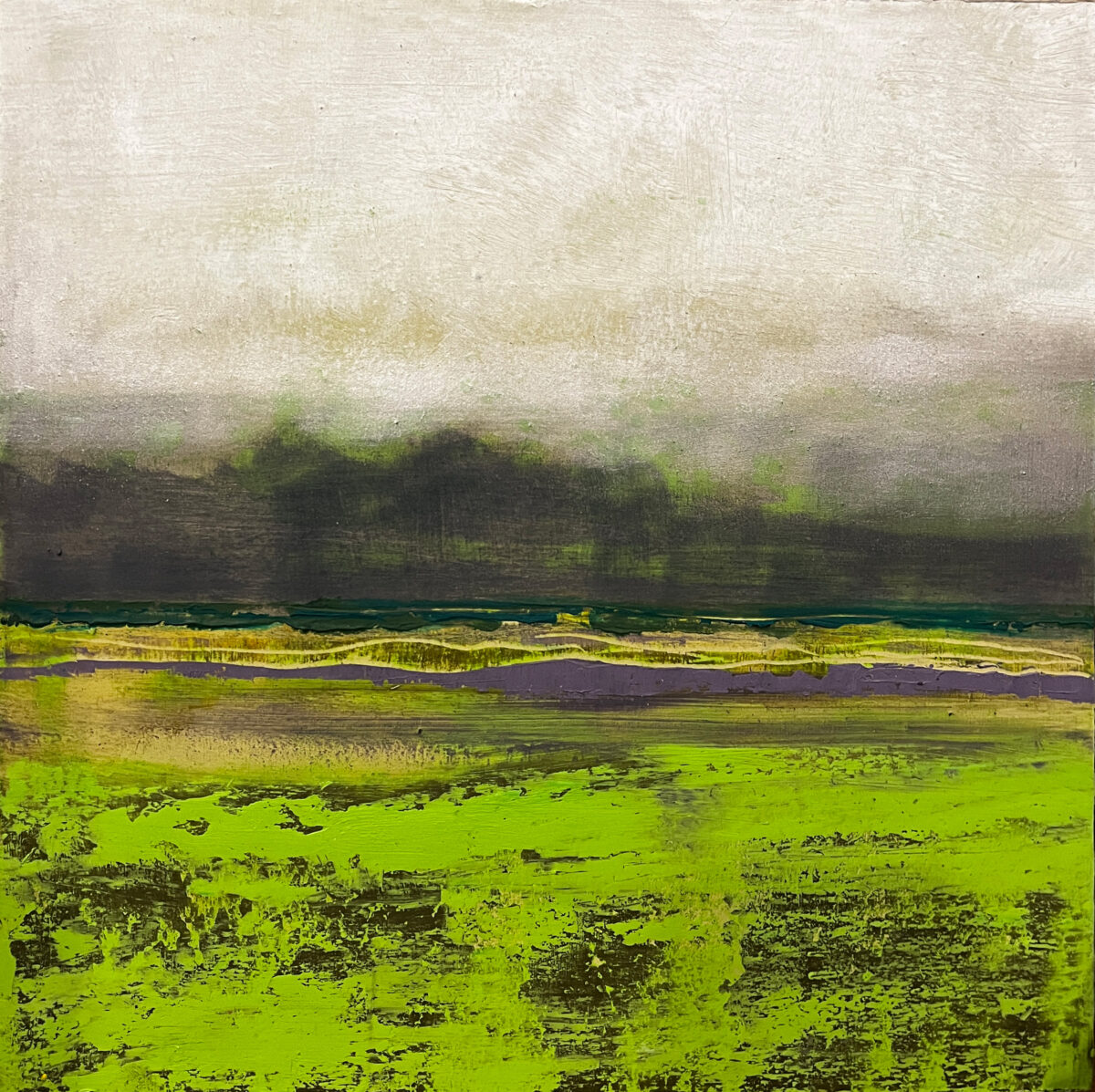
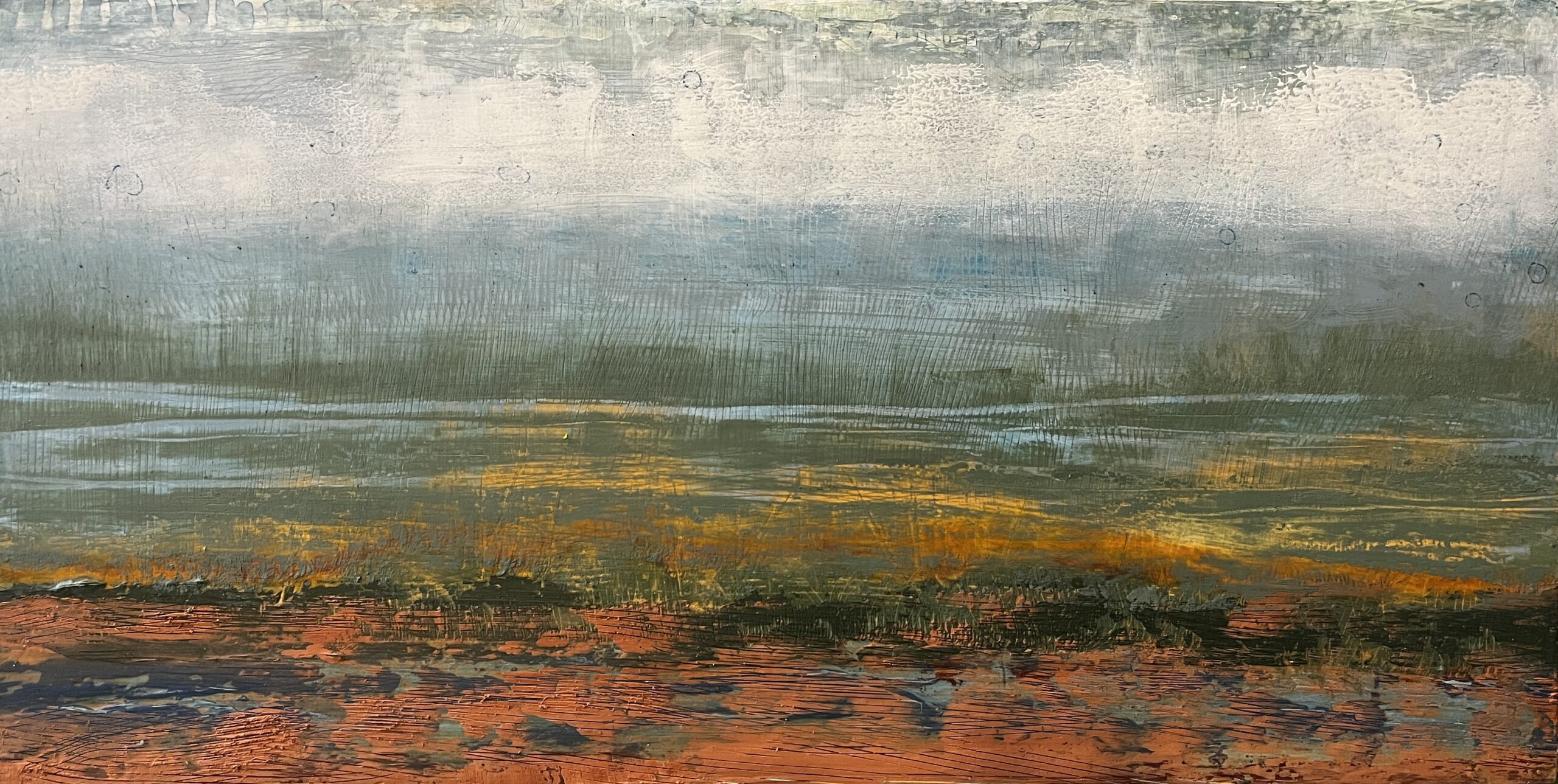
After a career in Graphic design, I returned to painting In 2016, and quickly transitioned to the non-representational practice of cold wax and oil. Painting in cold wax is an intuitive process adding multiple applications and/or removal of paint. Paint is usually applied with squeegees and palette knives with only seldom use of a brush. My latest cold wax paintings on cradle  board present landscapes suspended in stillness, isolated terrains shaped by the undercurrent of change. My work is informed by artists such as Wolf Kahn, Helen Frankenthaler, Mark Rothko, and Gerhard Richter."

Artist Bio: After receiving a BFA in printmaking from Penn State University, I made a career as an illustrator and information graphic designer for the Boston Globe. During this time I co-founded a local art exhibition at the Charlestown Navy Yard for Charlestown artists. Post college education includes graphic design, typography, photography and illustration. Attending Jerry MacLaughlin's worshop in the beautiful town of San Miguel Mexico in 2023 was a career highlight.

Deb has exhibited her abstract and non-representational work in numerous shows in the Boston area, including Concord Art Association, The Copley Society and Newton Art Association. Besides Galatea FIne Art, I am active member of The Copley Society of Art and registrar and webmaster for Newton Open Studios, a yearly open studios art fair in Newton, Massachusetts.

Nora Charney Rosenbaum

Nora Charney Rosenbaum

Nora Charney Rosenbaum

Artist Statement: 
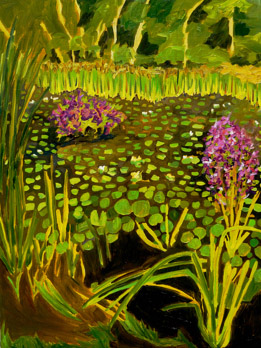
Each painting is a close view of the natural world. Sometimes, it’s a fragment – a view of trees, a slice of sky, clouds, the patterns of water lilies, reflections in water. Sometimes it’s the stillness, the light, the color. I use photographs that I take as stimuli. Then, during the process of painting, the initial concept evolves and other things enter in. For me, the process of painting is the solving of problems - color, form, texture, composition – and leads to something that was unknown at the start.

During the Renaissance and the Baroque periods in Europe, artists painted on copper, utilizing the reflective qualities inherent in the metal to accentuate a sense of spiritual luminescence in their two-dimensional works.
 
I use copper sheets and apply chemicals to create patinas. I find that the copper surfaces interact with the subject matter in ways that are both apt and surprising. I use impasto and transparent glazes together with lines I scratch into the copper to produce depth and luminosity.